
MIT, Apple, Schwarzman Scholar. He Says Shenzhen Can't Be Replaced.
"I don't think Shenzhen's manufacturing ecosystem will be replaced in the next decade. I don't think it's possible."
With Joshua Woodard, Co-Founder of The Sparrows
- From south side Chicago to Shenzhen. Joshua's "black tiger mom" pushed him into engineering from age 10. At 12, he Googled "best engineering school," found MIT, and made it his goal. He got in, minored in Mandarin, and hasn't looked back since.
- Schwarzman Scholar, Tsinghua University. The one-year program in Beijing gave Joshua his deepest insight: understanding China's turbulent 120-year modern history explains why the country operates the way it does today.
- Four years inside Apple Camera R&D. As a project manager in Shenzhen, Joshua oversaw iPhone and Mac camera production across factories in Dongguan, Longhua, and Longgang. Nine interviews to get in. He left because career progression felt impossibly slow from the other side of the world.
- The Sparrows: bridging factories and founders. After validating his thesis with a Gates Foundation contract, Joshua co-founded The Sparrows with Susan Su. They help Western hardware startups navigate every stage of manufacturing in China.
- China's four-pillar manufacturing moat. Supply chain concentration, educated workforce, hustle culture, and controlled currency. Guangdong province alone has the GDP of South Korea.
- "We're too fat to assemble iPhones." America has 300,000-500,000 unfilled manufacturing jobs. The workforce doesn't exist. Immigration policy is hostile. Joshua's verdict: reshoring consumer electronics manufacturing is not practical.
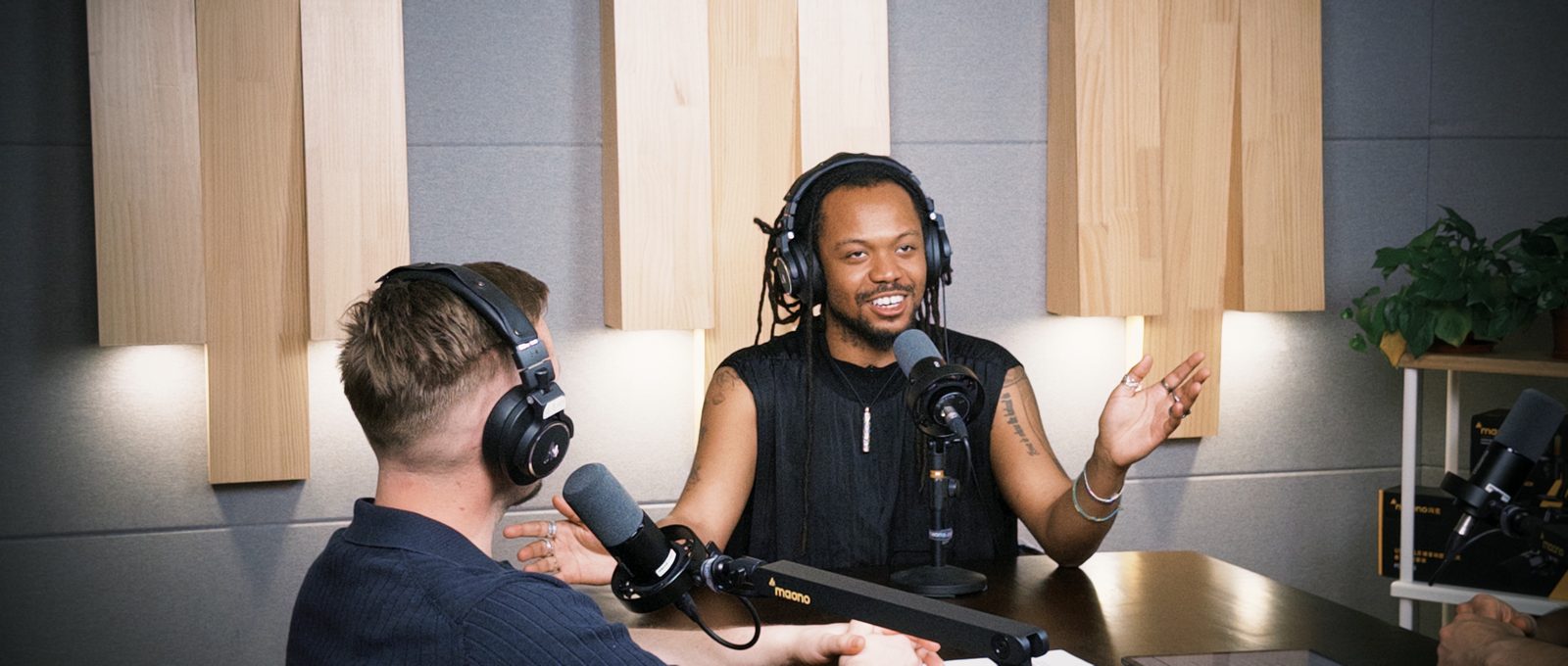
The South Side Kid Who Googled MIT
Joshua Woodard grew up on the south side of Chicago, in the kind of neighborhood most visitors would avoid. Gangs, violence, drugs. His mother kept him out of all of it. She was, in his words, "a black tiger mom." Video game design classes at Northwestern. Math classes at UChicago. Violin. No sleepovers. At 12, his English teacher assigned a college brochure project. Joshua Googled "best engineering school." MIT came up first. He made the brochure. Six years later, he was there, studying mechanical engineering and minoring in Mandarin.
"MIT is an absurd dream. I didn't understand that at the time. But you shoot for the stars and you just end up at Harvard or something."
From Tsinghua to Apple Camera R&D
After MIT, Joshua came to China as a Schwarzman Scholar at Tsinghua University in Beijing. The one-year program gave him something no textbook could: a framework for understanding why China operates the way it does. A hundred years of upheaval, reinvention, and survival compressed into a single insight: the priorities are different because the history is different.
From Tsinghua, he moved to Shenzhen and spent a year and a half at a small design firm, working on everything from smart rings to electronic chopsticks for a YouTube influencer. Then Apple called. Nine interviews later, he was managing iPhone and Mac camera production across factories in Dongguan, Longhua, and Longgang.
"There's doing your job, and then there's making it look like you did your job. If you're on the other side of the world from Tim Cook, how do you create that visibility?"
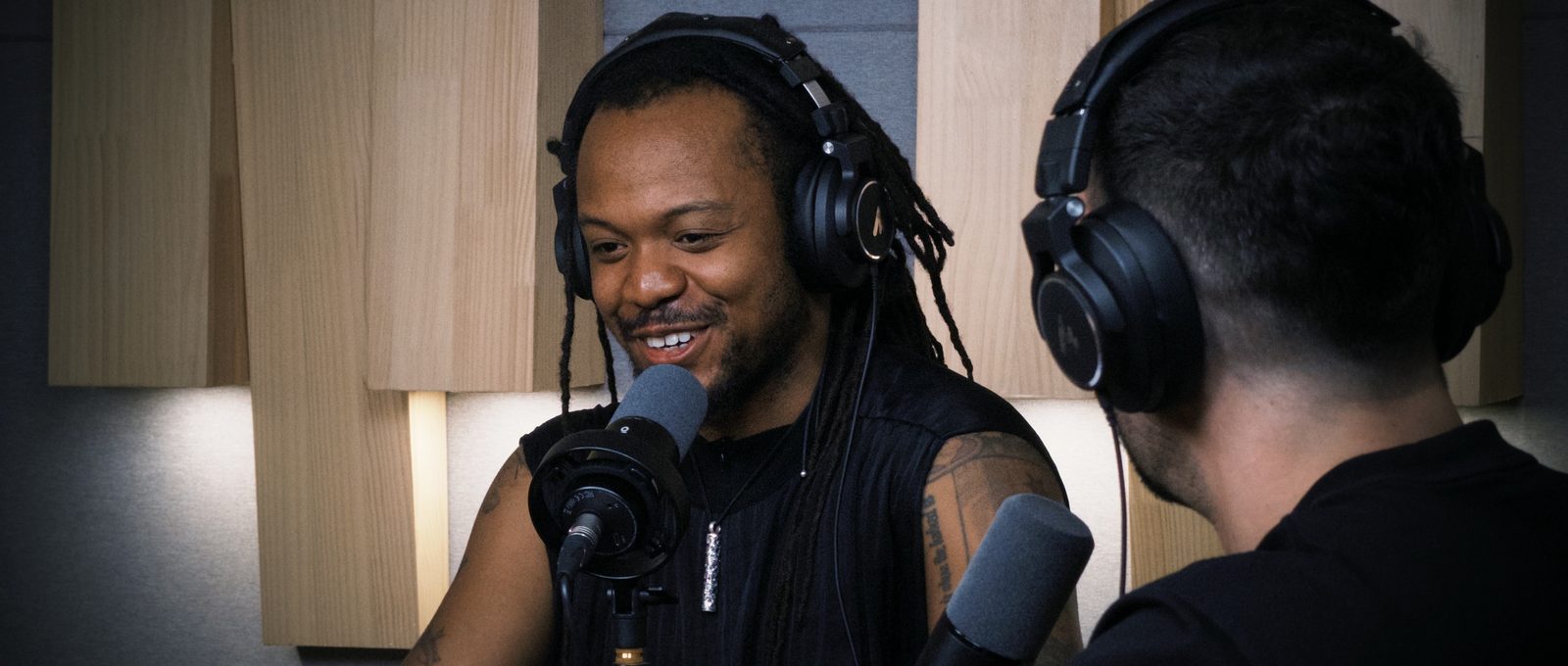
Building The Sparrows
Joshua left Apple in April 2025. Not because the work was bad, but because the ceiling felt low from 12 time zones away. He had already tested his thesis on the side: Western hardware companies need someone on the ground in Shenzhen who speaks both languages, literally and figuratively. A Gates Foundation contract validated the model.
The Sparrows, co-founded with Susan Su (MIT, ex-MIT Media Lab, ex-Agilis Robotics), helps Western founders navigate every stage of hardware development in China. Ideation, prototyping, factory sourcing, firmware integration, mass production. The team of four full-time and three part-time operates from Nanshan, Shenzhen.
"A lot of companies don't make it from simple miscommunication. The factory says 'delivery time' and means the time they ship it from their warehouse. You heard 'delivery time to America.' Those misunderstandings accumulate and kill projects."
Why Shenzhen Can't Be Replaced
Joshua's thesis is blunt: America is not bringing consumer electronics manufacturing back. He lays out four pillars. First, supply chain concentration. Guangdong province has the GDP of South Korea. Display factories sit next to battery factories sit next to IC factories, all within a 50km radius. A problem that takes a week to solve remotely gets solved in a day because every expert is in the room.
Second, human capital. China produces engineers at a scale Vietnam and Thailand cannot match. When Apple tried to move production to Southeast Asia, factories struggled to find the right talent.
Third, culture. Shenzhen is a migrant city. Median age 30. Everyone is here to hustle. The 996 schedule is standard. That intensity of work ethic is not easily replicated.
Fourth, the controlled currency keeps costs competitive.
"What's 20% of 1.4 billion? 280 million people. That's four-fifths of America's population. All directed at manufacturing. What exactly are we bringing back?"
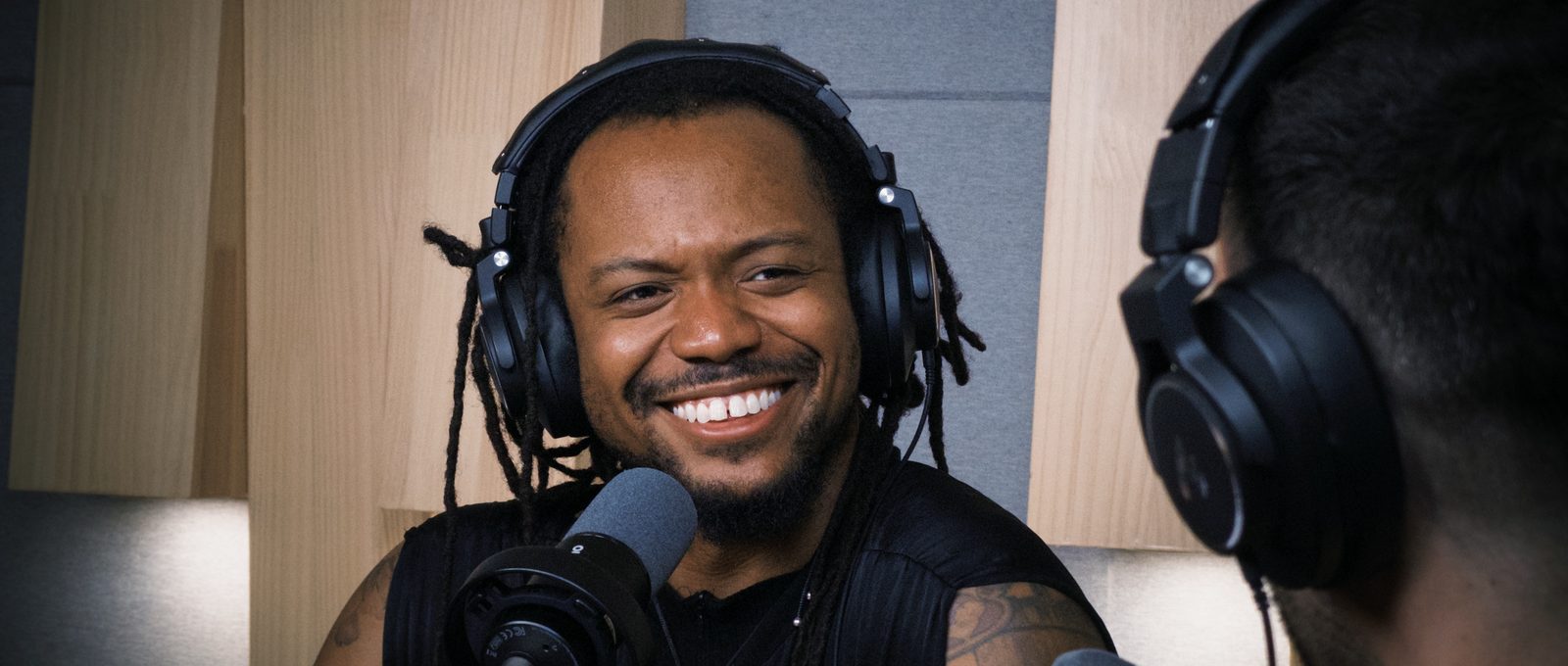
Contracts, Stamps, and Baijiu
The culture gap between American and Chinese business is not just about language. In America, you sign a contract and sue if things go wrong. In China, you go to dinner with the factory boss, drink baijiu, and build a relationship that makes the contract almost secondary. Joshua lost his company stamp in Thailand last month. In China, that stamp holds more legal authority than any signature. He spent a month figuring out how to replace it.
The saving face dynamic changes everything. In America, Joshua would immediately say both ideas are bad and propose a third. In China, he waits. Mentions it later. Checks with subordinates. The goal is never to embarrass someone in a meeting, even if you disagree.
"In America: here's money, here's a contract, or I sue you. In China: let's have dinner first."
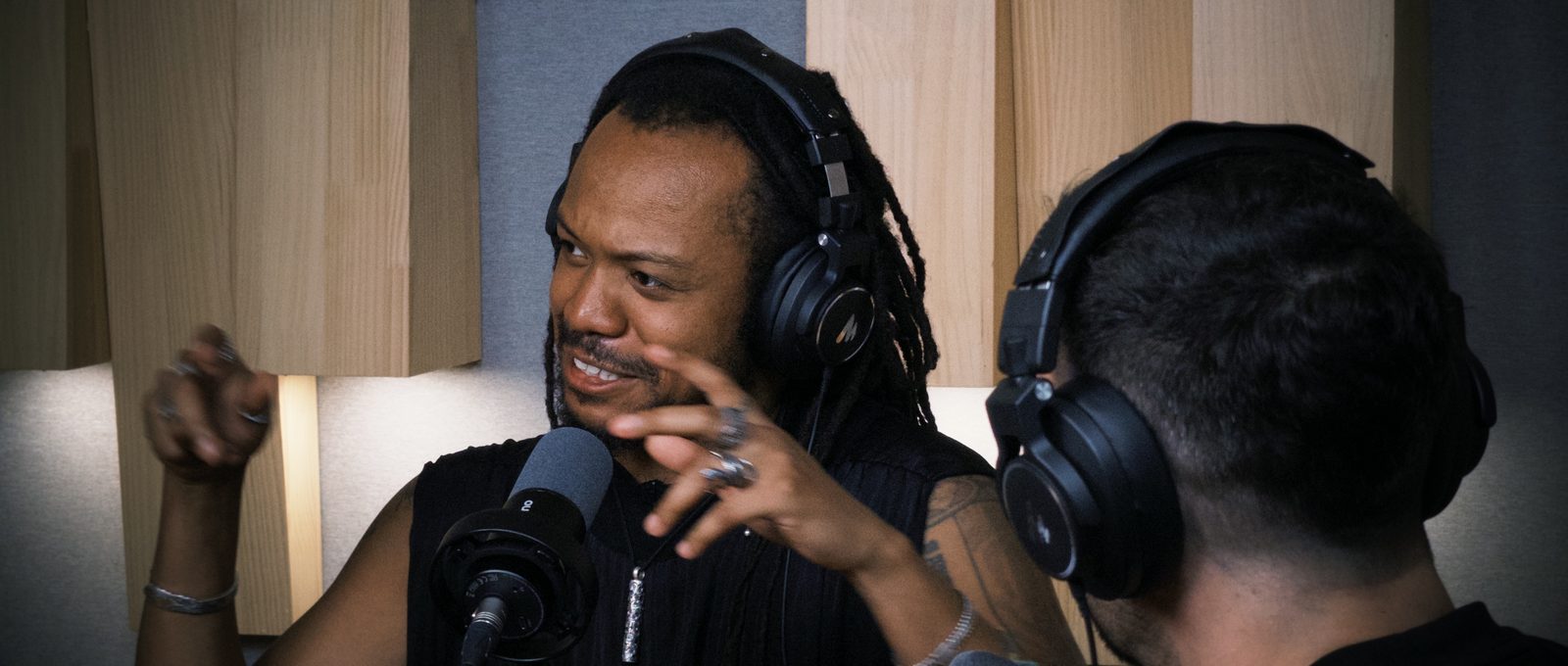
Joshua Woodard
Joshua Woodard is an American mechanical engineer and manufacturing consultant based in Shenzhen. He grew up on the south side of Chicago, studied mechanical engineering at MIT, and spent a year as a Schwarzman Scholar at Tsinghua University in Beijing. He worked four years in Apple's Camera R&D team in Shenzhen (2021-2025) before co-founding The Sparrows with Susan Su. The Sparrows helps Western hardware startups navigate China's manufacturing ecosystem from ideation to mass production.
[00:00] I don't think that Shenzhen's manufacturing ecosystem will be replaced in the next decade. I don't think that's going to happen. I don't think it's possible. You know, we're too fat to assemble iPhones. That's not going to happen. An issue that would have taken you a week to solve in America. You solve in a day here because all the important players can be brought into the room. All the experts are here. There have been somewhere between 300 and 500,000 job vacancies in America's manufacturing system. 300 to 500,000 that are just there already that we haven't been able to fill. And you want to bring more manufacturing jobs here?
[00:31] Who's going to do it? You just made America one of the most hostile places in the world for immigrant labor. Americans don't want to do this job. Americans don't want to even cut their own grass. Who's going to do this? I'm always impressed by all these great founders that we have on our podcast. Right. They are smart minds and, and everybody's like, deep into hardware and tech here in Shenzhen, which is also obvious. Like, most of the reason why they come here is because
[01:04] it's so convenient to get to all these manufacturers and suppliers you have in a few distance reach, right? Yeah. No place like Shenzhen. Exactly. That's why one of our guests also told us, if you want to build hardware, if you want to build your product, you have to come here. Right? But that's also like one of the questions we get asked the most is how do I start? I mean, it's obvious when I came here, it still has some barriers. China is still closed system, ecosystem somehow.
[01:36] And it's always the question of how do I find reliable partners, right. How do I know I can trust this business? We've helped so many startups already and people to source products, but it's still hard to navigate, right? It is. I mean, we have so many people, people coming to us asking the same questions all the time. How do I find business partners? How do we do the contracts with them? How do we do the payments? And that's why we are very happy that we partnered up with Word first,
[02:10] the sponsor of today's Episodes, and they have this great system that solves a big, big problem, payments. So Word first is originally a London startup and they got acquired in 2019 by N Financial, which is the mother of Alipay. We all know Alipay, right? So. And they have this system now where they have 1.5 million businesses who are already inside the system. And if you do business with and in China, they help you to resolve
[02:44] a lot of your problems. So they have real time payment, no hidden fees, and you can do it inside the ecosystem. So it is safe, it is reliable and it's fast. So if we have people watching this and they want to do business in and with China, we think Word first is a really great choice and we are very happy that they partnered up with us. So we put the link in the description. If you're interested in doing safe, reliable business in China without any hidden fees, World first is your choice number one.
[03:17] And you will find all the information in the description. Josh. Hey. We met you at a very Chinese time of your life, or. Yes. Eight years into a very Chinese time of my life. How's it going? Good, good. So what do you say to this trend that everyone is talking about, China right now? We're like one or two years into this, right? Yeah. I think this really started like postco era, like speed coming to China last year, like the TikTok refugees like Sha Hong Shu, like, it's.
[03:49] It seems like a continuation of that momentum. But it's weird, right? Because the American government is in a very anti Chinese time of their lives, but the American people are like, oh, yeah, I drink hot, hot water. Yeah. So it's interesting. It is interesting to watch. What do you guys think? Yeah, for me, it's. It's crazy because I've been living in China for 10 years. I've been doing social media before and I, I got a lot of hate just because I did videos about food or travel in China.
[04:21] This is like people hated China or people who talked about China just for no reason. Yeah. So this is very interesting for me to see the narrative change. Yeah. When we came to China, it wasn't cool. No, it was not. I was just jumping on that trend, basically. No, I wasn't. A lot of people reaching out to us in investment banking also there, look, seeking for bias from China and there was basically no access. And that was also the time when I realized, okay, there's basically a trend. Like, I hopped on that Xiaohong Shu trend as well. Yeah, yeah. And that when, when TikTok
[04:54] was banned for like 48 hours or 24 hours or stuff. And then basically something changed and clicked in the mind of a lot of people when it comes to like, okay, how do we see China? And that's also like one of the times where like, I have to be here on the ground and see what's actually really going on because you don't have any clue outside China what's happening here. The Xiaohongshu thing I think was especially powerful because people from the States and
[05:26] people from China were talking to each other with no filter. Like there was no filter of geopolitics or like American media. Chinese media was just like, I eat rice. Americans like I like to eat hamburgers and they're sending each other pictures. I'm like, yeah, I don't know if that's ever happened before. Another social media platform, right? Ig you need a VPN if you're in China to get on there to do that. TikTok there's like China version, mainland seehina version and there's the rest of the world version. So every other platform is siloed in terms of like how these communicate communities can interact with each other.
[05:58] So yeah, the Shaolin shoe thing was just like there was a colliding. There's no one stopping this. It was cool. And it actually is a like kind of a miracle that we are sitting here in Shenzhen right now because I suppose we grew up in the German countryside. You grew up on the south side of Chicago? Yep. So how was that? Tell us about your. Your upbringing. Well, I grew up to a very loving family, so my upbringing wasn't as hard as it could have been.
[06:29] But it still was in a part of Chicago people would probably avoid if they were to travel to the city. But yeah, you know, I mean, I think the thing that kept me from because in that type of neighborhood a lot what you see is like people end up, you know, joining gangs or violence or drugs or many things that people can do that are unproductive. My mom was a tiger mom, a black tiger mom. So she kept me in school, she stayed on top of me.
[07:00] Didn't allow me to have sleepovers with my friends and like go to my friends houses, maybe learn violin. She made me do a lot of stuff. So I think because of all the stuff she made me do, I. She kind of put me on this track, on this track of going towards engineering. Like I remember there are a lot of summers she would make me take like video game design classes at Northwestern or math classes at Uchicago. Like I'm like 10 or 11 years old but just wanted to ensure that I'm like, you know, being exposed to what is possible. So then by the time I was 12,
[07:32] I remember my English teacher in middle school gave us the assignment of like create a brochure or like a college that you want to go to in the future. Right? But I'm 12. Like we don't go to college in America until you're 18. So I'm like, I don't know anything about college. But what I did know is that I liked engineering. Right? We like played with Lego Robotics back then. I love those competitions. I knew I liked math and science. Math was always easy in school. And I'm like, okay, so I like all these things, like, maybe I'll just go to an engineering school. But then I just Google like what's the best engineering
[08:05] school? And then it said mit. And then I'm like, okay, I'm going to make my brochure about MIT and I'm going to try to go there. So that was 12 years old, south side of Chicago. And then I think from there it gave me kind of a direction to work towards. Right. Like MIT is an absurd dream. Right? I didn't understand that at the time, but I understand now. It's like absurd. You just googled it. Yeah, but even if I didn't make it, like, I probably would have been
[08:37] fine, right? Like you shoot for the star and then you just end up at like Harvard or something. So. Yeah, yeah, that's good. Really good foundation. Yeah, it was the hood, but I had a good foundation. Thanks to your tiger mom. Thanks to my tiger mom. And when was the first time that you found out, oh, the US is not the center of the universe. There are also other continents, like Asia. A few things had to happen for me to get here. I think the first thing that had to happen was not
[09:11] believing that America was the best country in the world. Growing up, like just knowing that, like what America says, is this what my experience is? It's very far from that. You know, there's all of this room for improvement that hasn't happened for a long time. So I think that happened when I was a lot younger. Just seeing how my family interacted with the cops, with, you know, other communities. Just think, you know, feeling like a second class citizen in a country that we grew up in are very much from.
[09:42] So that was a realization from a young age. And then, and then when in high school we all went on this trip. I went to this magnet school in Chicago called Whitney Young. It's where Michelle Obama went. It's her high school. So it's very well known. It's the best high school in Chicago, I would say. But yeah, we went on this trip during our second or third year of high school to Europe. Just like a bunch of students traveling together, leaving the country for the first
[10:13] time. So we went to Barcelona, Madrid, and then Paris. And I think that was my first time really, like, being in Europe, like, seeing something outside of, like, the American context. I remember there was. In Paris, specifically, we went into this shop. I'm just like, okay, I'm in Paris. I should eat cheese and, like, eat baguettes. French people, right? Yeah. The croissant. Do all French stuff. So I go in this, like, grocery store. So I'm picking up the croissant, got my baguette. Like, I go up to check out, and then this guy at
[10:46] the checkout, he looks at me. He, like, says something in French. I'm like, I'm sorry. I don't. I don't understand. Then he's like, you Americans come to our country, you don't even speak our language. And. And why do you call yourselves American anyway? You're from United States. You are United States people. And I'm just like, I. I just wanted to buy bread, you know? So I think from that, it was a few things that became important to me. Number one, if I ever do leave the States, I'll be learning the language of wherever I go. Like, I don't like that guy in Paris.
[11:18] I'm like, I don't want to go back to Paris ever again. But, you know, I don't also. I also don't want to be the American who only speaks one language. Right. I don't want to have it that comfortable because I think that's. I see a lot of my fellow countrymen do that, and it's like, there's so much more to the world. So, yeah, I would say it's from those two things. Right? Like, kind of like seeing the bad sides of America and then, like, being yelled at by this French guy. I'm just like, okay, there. There has to be this change. Yeah, yeah, yeah. So then I. I started trying to learn Mandarin in high school, actually,
[11:51] but by the time I got to college, took it a lot more seriously. Yeah, but how did you come up with, like, the decision? Okay, Mandarin is the. Is the language that I wanted. Want to learn. Very pragmatic. So, yeah, we have to all pick a language in high school. So at 14 years old, we had Japanese, Chinese, Spanish, French, maybe some other European languages there. But also during this time, it was still Obama era,
[12:24] so US China relationships are still very positive. And then there were increasing investments and buyouts and M and A coming from the China side and acquiring American companies. And I think at that time, my favorite movie was Inception. And then this Chinese holding company bought a significant portion of the company that produced Inception. So for me, I'm just like, whoa, the world is changing. The Chinese people own the company that made my favorite movie. Like, I gotta know what's going on.
[12:55] So that's why it was just kind of like a very practical move. Now I'm here. This actually wasn't in the plan, but it's cool. So what was the plan? I thought, you know, so I studied mechanical engineering and basically minored in Mandarin at mit and I thought I would come to China. You know, I did the source and program at Chingguai University for a year and then I thought I'd stay for two years, two to three years, like get some real on the ground experience, you know, work in the factories, work on my like
[13:28] technical Mandarin and like, I can bring it back to the States, move back to California. Like somebody's going to pay me a lot of money for all these things. I learned that's what was supposed to happen. I was supposed to leave in like 2021 and it's now 2026. So yeah, a lot has happened. So what was, when was the first time you came to China? The first time I came to China was actually not 2018, I think 2016, like January and February. I went with one of the professors,
[13:59] theater professor from mit, Professor Consysen. She's like, she was in China in the 80s, like putting on some of the earliest theater productions of China's oldest kind of theater and movie stars. So she has all of these connections. So at that time we went to Shanghai Xi Ju Xueyuan, the Shanghai Theater Academy in Jing' an and I was like learning Jing Tu Beijing opera for two weeks and just doing all the, all the motions and like just seeing like,
[14:30] you know, it was shocking back then because I'm like seeing like the Jingan Temple, which is like this beautiful like Buddhist thing in the middle of like sprawling like tech infrastructure malls, like 20 story buildings. And it's just like, what in the world is going on? Like I, you know, in, in our, in the old worlds, right? In Europe and in America, right. Like, cities tend to have a very consistent infrastructure,
[15:01] a language around how they're built, right. Most of Chicago, most of your European cities where you're from are built around the same time. So there's not that shock of old temple next to huge Tony story mall. You don't see that in America. So I was just like, wow, okay, this is crazy. There's something going on here. And then when you get on the trains in Shanghai and it's just like, it makes New York look small. It was overwhelming. And then the micro payments and it goes on and
[15:34] on. But I think that was the shock. That's kind of where I think the world is now of China. That's where I was in 2016. It's just saying, what is going on? This is so futuristic. This is crazy. How does any of this happen? How is this working? I think that's where the world is now. Yeah, a lot of people that come here for the first time, they experience the exact same thing. But then like they go back and see, okay, it's a whole nother world, but there's only a lot of like less. Less people that actually stay here and
[16:06] decide, okay, yeah, this is so. This is so overwhelming what is happening here. I want to be part of that. So how was the beginning when you finish, like the Beijing Oprah stuff? Yeah, that was the beginning. That was kind of that eyes wide open moment because, yeah, you like read things like the New York Times, like if you're liberal in the States, you read the New York Times probably. And the way they talk about China is like they focus on the worst elements of it, which we shouldn't get into right now.
[16:38] You know, it's always better to come and make your own opinions because people themselves and like, you know, from those relationships get an understanding of what this country is and what happens here. So, yeah, that experience with the Beijing opera ended in 2016 or 2017. Graduated from MIT in 2018, then came straight to China for the Tsinghua Schwarzman Scholars program in Beijing. One year program. Yeah, so that was from 2018 to 2019. Living in Beijing, living in Wudaokou. You know, Tsinghua and Beijing University are right next to each other.
[17:10] They consider themselves like, Tsinghua is like the mit and then Beijing University is like the Harvard. So they're like in competition. Yeah, yeah. Tsinghua is one of the most famous or one of the top elite universities in China. And the Schwarzman program, it's also very, very high class program. A lot of people want to get in, but they just take a few every year. Like a hundred. Yeah, something I'm saying like a couple of thousand people apply. Right. So, and, and then you, you have this strong network we all know.
[17:45] Like Tsinghua people, they stick together. Like they love each other the most. They just marry Tsinghua people. That's what I heard. So what in this year when you are at the Chinese elite university, what do they teach you about how China works, or what did you learn? Or what was one thing that you said, okay, this is something that I took from there. I would say the biggest thing I took from the program was just having a fundamental understanding of contemporary Chinese history,
[18:16] which I think is an important context for moving through the society. Right. Like, if we look at China over the last 120 years, basically in the early 1900s, there was, like, the Boxer Rebellion, where, like, these countryside people were rebelling against Western influences. And then the Western armies from all the Western countries sent their armies in, killed a lot of people, and then sued China for, like, millions of dollars. But then they oversued China. So then instead of giving the money back to China, they just created these scholarship programs.
[18:48] So a lot of the first Chinese scholars at MIT and Yale and Harvard came in this time through these. These scholarship programs, because the west massacred a lot of people. So then that's where we start to get some of the earliest moments of information and knowledge transfer about engineering concepts, from places like MIT to places like Tsinghua, which I think was established in 1911. So this is all happening in that time, Right? The fall of the Qing dynasty is, like, 1911, I think, around that time. And then from there, there's like, the Warring
[19:23] era. I think the CCP starts in 1919. But then you've got Chiang Kai Shek, who's kind of trying to create this. This Nationalist party. All of this is happening at the same time, like, the bubbling of China, like, the lack of stability, the. The famines and the wars. And then there's like a civil war, and then a world war breaks out. On top of it, Japan invades. Like, a lot of stuff happens. Then we get to 1949, where now there's a new line of history. Right. So when we look like from the west, we look at the way China behaves and we're like,
[19:57] that's so strict. That's so oppressive. There's no sense of privacy. But if you look at the last 100 years and how many times, how many people have died, you know, fighting for, you know, their version of what China should look like fighting for their version of a stable country, you start to understand that, like, oh, yeah, actually, maybe we should have cameras on every corner in a city of 20 million people, because things have happened here in the last 100 years that they don't want to happen again.
[20:28] So from a historical perspective, you can understand why, like, the leadership would place such. Such a high standard on just observation, monitoring, and control of its citizens as compared to the west, where, like, our last. At least America, our last major, major conflict was. That ended in 1865. That was the Civil War. We haven't had a official major conflict since then within our own country. So the priorities are different. Right. So it's perspectives like that, that when I
[21:01] see, like, an 8K camera in Shenzhen on the city streets that can, like, zoom into your car and zoom into the passenger backseat. Or like. Like during COVID when somebody, like, somebody called my driver because I didn't have my mask on. I was, like, chilling in the backseat. I thought no one cared. Somebody called my driver, and my driver told me, put my mask on. And I'm like, I'm not sure if there's a camera in the car somebody was looking at or was it the AK camera outside? Somebody saw me, and they dealt with it without the understanding of history. Right. I feel like, oh, this is repressive. This is terrible. But with an understanding of history, it's like,
[21:34] this is how they keep their society falling apart, you know, because it's been reinvented so many times in its history. Yeah. So that's what I got from Tsinghua, but super interesting. Like, most of the people, like, whenever I go back to, like, Germany, they all asking me, like, why would you go to China? Are you afraid? They're, like, doing whatever with your data, with your personal identity and stuff. Like, I mean, I'm here not to commit any crime or whatever. I'm like, I just want.
[22:06] Yeah, I just want to live. And if this is the cost that I have to pay for having a very safe life here, I'm more than willing to pay that. And I can't speak to Germany, but I can definitely speak to the States. Like, our data is sold, like, so it's a matter of do I want the American corporations to have my data or a Chinese government to have my data? I'd rather no one have my data. But this is the world we live in. So you kind of pick your poison. You know, it is as soon as you click the confirm button, whatever device you're using, I mean, of course they're using
[22:40] your data. What are you thinking about? Yeah, another thing about China is it's so big, it's so diverse, so wherever you go, a totally different lifestyle, totally different city. So you moved from Beijing to Shenzhen. Yeah. Why did you make this decision? I was looking at a lot of different job opportunities at that time. That was 2019, I think. Swartzman Scholarship program finished in June of that year. And I was looking at some things in Shanghai. There's like a lidar, like, autonomous driving tech company in Shanghai.
[23:11] There's the Apple Watch team in Shanghai. There's Harman. Yeah, those guys. They're based in Shenzhen. I really wanted to work for them. They make the JBL speakers, the B and O speakers. Company's dope. But I did like seven interviews, and they rejected me. Very angry. And then they will regret when they see this podcast. I hope they regret. I hope they deeply regret. And then there was a small design company, and that's where I ended up going. I love Shanghai. Shanghai is a lot of fun. But number one, the ecosystem, I think, is more focused on business,
[23:48] operations, capital moving back and forth. Maybe automobile. It's not as focused on consumer electronics. So for the things I was trying to do, Shenzhen felt like a better place. The other problem about Shanghai is that you can go there and never learn Mandarin. I think one of my goals from my early 20s was to just immerse myself in an environment where I'd be forced to learn. Because even after three years of college study at MIT and then one year at Tsinghua, doing basically classes every week, was still extremely difficult to communicate with taxi drivers terrified to pick up the
[24:22] phone. Please don't call me. I know this feeling. Do not call me. So I just wanted that foundation. Right. Shanghai would have been too comfortable. I know that. So Shenzhen was just kind of like, it's a migrant city. Right? I don't need to speak Cantonese. You know, I go there. Everybody's moving from all over the place. Everybody's here to make money, to hustle, to build their lives. And everyone speaks Mandarin. So that seemed like a good fit. Yeah, that's why I picked Shenzhen. Ended up at a small design firm for the first time
[24:55] year and a half, where I was basically working as a mechanical engineer and project manager. So kind of mechanical engineering side, helping to design, like, the enclosures, the internal architecture and design, like, enclosure design for a product. So which is to say, like a smartwatch, for example. Like, my role would be like, building this, building the smartwatch, then you're on the metal enclosure and then maybe like ceramic outer face. Building that on a 3D software on a computer first,
[25:27] then dictating. Okay, the PCB goes here, the battery goes here. This is where the pogo pin goes. This is how much clearance there has to be, like, between the pogo, like the internal PCB pogo pin to the external pogo pin. That's like delivering the power and then you know, it's a lot of coordination back and forth between like the PCB designer who's going to be, you know, you have to give them their tolerances or like this is your, this is the area, this is how much room you have to design a PCB work within that. So that was fun. So one hat is like mechanical engineering, then the other hat is like project management. So it's like okay, these clients have
[25:59] like a three month timeline. They would like us to basically do a sprint and get two prototypes out of this within that time. So then what needs to happen within those three months? Right. So we break it down by teams like the firmware, electrical, mechanical engineering teams. Like maybe there's a supply chain manager who's like doing component sourcing batteries and stuff like that. All these teams have their objectives that we have to get to, have to accomplish to get to one prototype working. And we do that like three or four times and then maybe we get to something that we can actually sell, you know. So that was the first year and a half in Shenzhen is just working
[26:30] on a really wide range of products for foreign clients from, you know there was a French product that was like a huge like multi point touchscreen. So it's like, like imagine like digital Monopoly or like a PlayStation in like the form factor of a board game. I was like put pieces on it, sensing where the pieces are. That was fun. We did a VR commercial VR product where it's like a VR headset that you hold on your hand. We did smart rings, smartwatches, electronic chopsticks.
[27:04] It was, there was I think a YouTube influencer who wanted, I guess he like made his own chopsticks and then went to Japan. And like the chopsticks have a time of flight center basically like so when you this it's like there's a handle and then there's chopsticks and like they're attached to two big gears. So once that time of flight sensor gets within a certain distance the these chopsticks automatically close and then pick that thing up. Good for why, huh? Yeah, good, Good for lawyers who cannot use I suppose or
[27:36] they can just learn how to use chopsticks for children. Right? Yeah, things that you put at the end of the chopsticks for children when they, when they learn. Yes. So it was a cute project. Yeah. And that was, that was the first. And then, then you joined Apple, right. So yeah, we all know that Apple wouldn't exist or Apple wouldn't be as successful. They are now without China, without the Supply chain in China. So I guess for a lot of foreigners, number one, it's go to work for a big corporate like
[28:07] Apple or Google, one of these huge corporates and then working for them in China seems to be like jackpot. So a lot of people would think that's a great thing. So how did the process go? We you told about like it's very hard to get in to operate. Yeah, I think that was nine interviews. Nine interviews. It's crazy. I cannot imagine that, like I haven't been in corporate for 20 years now. But how are they getting so crazy? Like how do you people even do it? Like going through. Then you're at interview number eight and
[28:39] then you spend like at least like a week on preparation, a week of your lifetime. And then I said, oh no, sorry, we're not sorry. So why, why getting out of hand engineering is also the case also in investment banking. You sit there for five hours straight doing an interview and then you come back for the next round. Or maybe not crazy, but I will say the good thing about Apple and I, I think it's something they do across, you know, across their different companies around the world. It's that they, the culture fit is important for them.
[29:11] Right. So there are nine interviews and it is exhausting. But it's basically you like talking to all your, your future potential teammates and then just get an understanding of like, are you fitting in? Like what's the vibe? Can we work together? Can we like, do we have the same vision on how we want to build something? It's yeah. I think the earlier interviews are like, you know, do you have potential? Do you have the capacity? Like do you like, are you technically capable of doing this role? And then the latter ones are like,
[29:42] do we hate you? But like once you get through all of these nine, then you know, I feel like Apple, it's very hard to get fired from because they, it's a company that focuses on developing its talent. At least what I've seen in Apple China, I don't want, I don't know what they do in California, but in Apple China they focus on developing their talent. Which is to say, right, like maybe you didn't have as good of a performance as you wanted to have in one year. Like you work with your management, you guys come up with a plan, work with your team to come up with a plan and
[30:15] then to improve. Right. I think the people that I've heard get fired from Apple like are like trying to like resell things that like they got with a company. Discount or like selling company secrets, like doing crazy. Like unless you're doing crazy shit, people don't really get fired. So it's. I like that part about the company culture. Like it's, it's big on growth and development and like driving towards a common goal which is surprising and good. So you were there working there for three years, four years. Okay. Yeah, from 2021 to 2025. And why did you decide to leave?
[30:48] Yeah, I mean so the job itself, I was working as a project manager kind of overseeing the production of iPhone and Mac cameras and like the Shenzhen ecosystem. So on a daily basis I would go to factories in Dongguan or in Longhua or Longan and like meet with these project teams and then we'd get together and we'd do quick scenes on like what our projection project production targets are for a given day or a week or a month. So we're kind of, our role was like
[31:20] getting the factories from like the R and D phase of where we're trying to figure out if these cameras can work in a future model or not getting them all the way down to MP phase where it's like okay, now we're making millions of them. Now the factory has to run at full capacity. So yeah, as project manager like we're basically just on the ground firefighters. Right. So if there's like any issue with regards to this factory production run so human resource design file related, process related. So that could be. Maybe it's like there's like a machine that dispenses
[31:51] glue on a production floor and like that glue dispensing like it's not following the right pattern and that's like affecting the ceiling of the camera. Right. And then it has all these trickle down impacts on the actual reliability of the entire product. Right. Maybe it's a process related thing or maybe it's just an even deeper technical issue. Maybe it's a supply chain issue because like the product was supposed to. This upstream component was supposed to arrive yesterday, but now it's arriving a day from now. Who do I yell at? Right. So these are like, these all fall to us as like the engineering project managers. So it was a lot of fun. It was a really fun job.
[32:23] Met a lot of great people. Why did I leave? I wanted more and I felt like things at Apple were moving slow. Felt like things that Apple and Apple China move slower than even in California. Really? Yeah. This is like very interesting to hear because normally things move much speed. Well, I think it's the corporate effect, right where it's like if you work for a large corporation, the further you are from the centers of power, like where that, the leadership, where the C suite sits. The further you are from where they sit, the slower you can progress.
[32:58] Right. Because it's harder. A lot of corporate work is like, there's doing your job and then there's making it look like you did your job. Right. There's your responsibilities to ensure your job function is done. And then there's visibility. So like everyone can see you doing it and they acknowledge you, like you're important. We're going to give you more stuff. Right. There's a lot to that game. And if you're like on the other side of the world, away from Tim Cook, how do you create that visibility for yourself? So I just felt like at Apple China, like, it just moved really slow, you know, and like,
[33:32] if I maybe if I was like Chinese or like, if I was more local, my family was here and like, maybe there'd be a compelling case for staying there for 10 or 20 years. But I'm a foreigner from the south side of Chicago in Shenzhen, working at Apple. I'm not staying here forever. You know, there's got to be, there's got to be another way to play this to make, you know, a bigger impact, to do something else interesting. So. So all these connections you made that the factories you, you were yelling at are now companies that you were working with or like, no, absolutely not.
[34:06] No, those companies are like Foxconn and. Oh, okay. Yeah, I can't. Yeah. The clients that work from now are not at the scale where we are talking to Foxconn yet. But I will say though, that's been the really cool thing about working at Apple and then even the design job I had before that, it's like over the last seven years I've been able to see what manufacturing looks like at these different scales of production. Right? Yeah. At the scale of production of Apple level, where it's like millions of units and a failure rate of 0.01 is still
[34:41] hundreds of thousands of units, it's still a huge problem. Whereas, like at a medium sized factory, if you're producing 10,000 units, a failure rate of 0.01% is like, don't quote me one, I need to check my map later. But you know, that's a very different. For sure, a very different scale, you know, and then you have, oh my God, it gets even smaller. Like you have really small like mom and pop operations where there's just like some old dude with Like a CNC machine and you like, he looks at your blueprint and
[35:13] he's going to do the thing manually. Right. So it's been great being able to see like just different sizes of how people build things in China. Yeah. So why didn't you move back to Silicon Valley then? Because I was looking at the ecosystem of jobs that were available. Right. I just, I just did it like an assessment of like who I was at this point in 2025. Spoke decent enough engineering Mandarin to work in factories and use Mandarin as my full time job. Language engineering background, project management background based in
[35:45] China. Experience living and working in China. Outgoing personality, American passport. What can I do of all these things? Right. Where is the biggest value add? I could go back to Silicon Valley. Somebody would pay me a lot of money hopefully to like manage their supply chain. But then I'm in Silicon Valley. It's kind of boring. I don't, I'm actually not a fan of the Bay California. I just, I'm not going to get into that either. But it's just like I've spent time there before. One of my earlier internships was at htc.
[36:17] It was the phone company from Taiwan. So yeah, I knew what I was missing. But it's, it's exciting being in the world, you know what I mean? Like being away from home and like, you know, meeting these German M and A experts and podcasters, you know, like I was at. One of my good friends in Shenzhen is a Serbian dude who like throws parties every weekend, right. He'll like invite these DJs from South Africa and Serbia and they're always just like good parties and it's just like I. Where would I have met all of you guys if I was still in Silicon Valley or Chicago or New York?
[36:48] Like I think some things you just have to get a little further out to see if that makes any sense. Yeah, it's very comfortable now, you know. Yeah, it's not only Shenzhen, but also Shine. Like all these cities, your big cities, they have so many events. Like as we said in the beginning, we met also on a networking event. It's super easy to connect with the people here. Like everybody's like genuinely willing to help you if they know somebody that knows somebody, then yeah, I just connect you guys and then you do you definitely. That's really cool about this whole China ecosystem that I didn't have
[37:25] or I didn't have this experience in Europe. Yeah. Then you decided to start your own company, right, in Shenzhen. Yeah. How did that happen? So yeah, I mean Back to my other point, it was just kind of like looking at all the skills I had now, like could move back to the States, but like, I like it in Shenzhen. Right. I think there was a real value proposition for being on the ground here. Being able to bridge the gaps between cultures, languages, time zones and try to reach mutual understanding.
[37:58] From what I've seen, a lot of companies don't make it from simple miscommunication, right? Like the factory's not replying on WeChat or they applied two days later. You don't understand that when they said Jiao Qi or their delivery time, they're talking about the time they were shipping it from their factory to go to America. That was not the delivery time to America. Right? Like, you know, all these points of misunderstanding just accumulate and end up blocking or killing projects. So it was like, I think I can do something about
[38:29] that for sure. But then also because of the amount of time I've been here, it's like, okay, I mean, wherever you're starting in this like hardware development journey, like, I probably can help you find a factory or resource that can help you with that. If you're just doing your at the ideation stage, you don't even have like a full design ready. Like, I know industrial designers in China that can help you with that. If you're trying to get prototypes built from CNC or plastic or silicon mold or whatever, I know factories that can do that. If you're trying to scale up your production, you need test rigs,
[39:00] builder, you're trying to deploy firmware or do the embedded firmware integration. I know factories that can do that as well. So it's like, okay, well we have all these languages, we have all these resources, connections, engineers and resources and what can we do with that? So I think that's kind of how the Sparrows, my company came to be, is just really trying to be a value add, an asset based in China for these western companies who are going through the same journey I've been working in the last seven
[39:31] years. So you left Apple and you started your company right away on your own or how did that work? Yeah, there's a bit of a overlap for sure. Yeah, because it was. Tell us your secret. I would say I definitely had a period of experimentation. I wasn't sure that, you know, this company was the right
[40:02] direction or would it be viable if I continued going this direction? I wasn't sure. So like while I was still working Apple, I was doing like little experiments on the side of like, okay, like If I provide the service to somebody, how much do they pay for that? If I provide the service somebody, how much will they pay for that? And then I think by the time I was getting ready to leave Apple, you know, through the network, we ended up getting a work contract with the Gates Foundation. So then it was like, okay, if they're going to pay for that, then I think this works.
[40:33] If I'm getting money from these guys, then, okay, we might have something. So that I think it was that moment where, you know, we were doing this project for the Gates foundation where I was just like, okay, my thesis has been validated for now. Let's jump, you know, and then ended up leaving Apple April 2025. So it hasn't even been a full year yet. Oh, wow. Yeah, yeah, Very recent. Yeah. So and how is it this was when you basically started in on the ground MBA on
[41:05] how to do business in China, Right. I mean, you did it before, but for in name of a corporate. Now you did it in your own name. So how is, how is it different from. From doing business in the US So we can take it in two directions, I guess. We can talk about the. How is it operationally different to create a company in China versus America? Or you can talk about the culture. Culture, Culture. Okay, the culture. Okay, okay, okay, okay. Yeah. In America, the process of starting a company is quite straightforward, right? We just like, you know, you go to your state office, like send somebody an email, they set up like a LLC for you,
[41:39] a limited liability company. And then you sign some papers, scan it, send it to somebody, you have a company, you report it to the American tax authorities. Now you're official, very straightforward. And you know, your signature is what determines like if a contract is legal or not. Like, that gives your contract enforcement ability. I say this because this is a recent pain point of mine, right? So that's how it works in America, right? In China, first you have to rent an office space,
[42:11] right? Before you can do anything, you have to first rent an office space. Then you can go to the process of registering your company to that office space or the Chinese authorities. Then you receive the yingye zhizhao. And then you can actually open up a bank account. And then once you've done all these things, then you can actually sponsor your own work visa. But these first three things take like three months, right? So you have to like be really intentional in planning for that. The point I want to get to was that in China, instead of using signatures, they use stamps for everything.
[42:44] And if you lose that stamp, you kind of lose everything. Yeah, so I lost mine last month. I think I lost it in silence. Yeah, I don't have a safe yet, so I. I left it in my bag and I think I lost it in Thailand somewhere. So I took it to Thailand. You took your stamp to Thailand? It's crazy, right? Crazy. Yeah, I mean I, I just. It was in my bag, man. I forgot to take it out. So it's in Thailand somewhere. But I learned how to replace them. That was, that was my goal for the last month.
[43:16] So I still have a legal company. That's good. You know, it's. Anyway, in America we sign things. In China, they stamp things. I just thought that was fascinating that stamp holds so much power. Yeah, I guess more to the cultural things. Yeah. I think in America, I think we're very litigious people. You know, if we don't like you or don't like something you said, we're going to sue you. You know, if we work together on a contractual basis. Right. We don't have to be friends, but as long as we both make money, then it's good. We sign a contract. It should be done because they're not.
[43:47] We sue people in America and then in China, I'd say it's a lot more relationship as a currency based. Right. So yes, there are contracts and laws and there are ways you can prepare your manufacturing documents, your purchasing agreements ensure that you're protected by the Chinese law. Yes. But also if somebody like if you're working with a factory, you want them to do something for you, it's best if you have a good relationship with the owner of the factory. That's the best way of like getting things moving forward. Yeah. So I would say that's, that's the thing that's very clear to me.
[44:20] Like as an American, it's just like the emphasis on relationship building in China. You know, going to the dinners with the big bosses around the big round table, they're spinning and there's vegetables and like duck and like pig feet. And you know, you're all doing like baiji shows. Baiji. First the boss gives up and gives a speech and he's like, welcome my honored guests from abroad. You know, I hope you integrate into China. Wu xang sui su drink. And then that goes on for hours. And then everyone's drunk.
[44:51] And then by the end of it, the boss is like, we're gonna have a long term collaboration. I have these ideas and you can help me break into the American market. And together we're gonna take over the world, you know, like, you know, by the end of three hours, like, you guys got this relationship where now it's like, instead of, you know, you coming to that boss, like, hey, man, how are things going? You can kind of have a little more camaraderie, a little more. Feels a little more natural. Like, hey, bro, like, how you doing, man? Be careful with that alcohol. How's the project going? You know? Right. There's a lot more energy there. Like, that's the relationship.
[45:22] Building, I think, takes more priority. Whereas in America, again, I want you to do this for me. Here's money, here's a contract. It. Or I sue you. You know, of course there's relationships in America. Of course, you know, if you know the right people, things happen. But I think the focus is different. You know what I mean? I don't know if you guys have seen that. How. How would you compare Germany business practices in Germany versus very, very similar to what you described right now? We love contracts. We love paperwork.
[45:53] There's. I mean, in Germany, you can do a lot of business over the phone. You know, you just. You have the product I need or you have the service I need, and then let's just do it. But as I said, in China, you have to go for dinner at least once if you want to have, like, a very good relationship. Yeah. So this is definitely, definitely important. Yeah, yeah. It also creates a lot of hype around it. But then again, they all say whenever. Whenever you sit at a dinner and you come up with a great plan, like, everybody has some good ideas, and they tell.
[46:24] They tell you, yes, we can do this. Yes, yes, yes. But then in the end, like, how much of that is actually happening? Yeah. There's one thing, like, a good friend of mine who has been doing business in China for many, many years, he told me there are no bad meetings in China. Like, all meetings are super good. Everyone is a good friend. But then in the end, maybe. Then it fades out and nothing happens in the end. But the meetings are all super good, right? Yeah, I'd agree with that. Unless you're apple. Then there are bad meetings.
[46:57] Sometimes you're in a different position. Power. The power and leverage is different. Yeah, yeah, yeah. You know, there's that other thing in China about, you know, the saving face. There'll be moments in time where it's like, you know, maybe somebody raises an idea. You know, like, let's say we're making a smart ring, right? Somebody raises this idea, you know, maybe we should make it out of aluminum. Right. We use like some electroplating process to give it its color so, like, it'll have that kind of finish.
[47:28] And then maybe somebody else is like, maybe we make it out of steel and we use a PVD process to give it like more of a jewelry, like, close to, like, silver, gold quality of, like, metallic finish. And like me listening to maybe these two individuals talking, maybe I have an opinion. Maybe I think both of these ideas are bad. And, like, we actually need to make it out of plastic and then, like, coat that because that's the cheapest version we can, like, then ship out. Maybe that's what I think. I may bring it up to them if I feel comfortable with them, if I know them very well.
[48:00] Or I may just not bring it, Like, I may just wait and, like, mention it later. Right. In America, I would have said it immediately. But here in China, it's more. What's more important, at least for me. And what I do now is like, don't embarrass people, I guess. Right. And I think that rule also applies in, like, the tiny business context outside of where it's just like, don't let them lose their face. Don't let them. Yeah. You know, like, they say they can do it. Yeah, they can do it. But you check with their subordinates later and see if they can do it. This is ask. You don't.
[48:32] It doesn't have to be direct. You know, they say something that's correct or mostly correct, you don't have to correct them. It's like 80% correct. It's fine, you know, So I don't know. Have you found yourself, like, leaning into that saving face culture? Remember the amount of time you spent here? Yeah. The good thing is that I don't have a lot of business meetings to, like. I don't work with factories. So we are in this business. So. But I actually think it's a good thing because even it's part of business culture in Germany, but I still
[49:03] feel that people are not very happy with it. It's the thing. But you still. You always can be nicer. You can be direct, you can be strict, you can have your high standards, but still, you can say it in a nice way. And I think there's always. Yeah, yeah. Like, being nice wins in the end. Yeah, yeah. You don't have to be an asshole. Yes. Right. Yeah. I think in America, a lot more direct. In China, very indirect. And then there's something in between. Right. And that's what I'm trying to find with
[49:34] my team as well. Right. Like, my team, my partner is like 38 years old. Like, she's got a lot of supply chain experience. She's the godmother. I don't need to tell her how to do anything. But then we have, like, these two younger teammates. Right. Who are extremely Chinese. Right. So I'm trying to create, like, a company environment where it's like, I'm not your. Yes, I pay you your salary, but, like, don't treat me as I am your Chinese boss. Like, treat me as we're partners here, building this together. If you have an idea and you feel like you shouldn't say it to me out of saving my face,
[50:06] then we will lose as a company. I need all of your ideas and we can talk about it, evaluate it together. If you want to try something and it fails, you shouldn't feel embarrassed. You're 20 something years old. We are starting a company. This is going to happen over and over again. Right. So trying to find that balance between Western and Eastern culture I think is where we're working on right now. So the other two team members of your team are Chinese? Yes, yes. So four. We're a team of four full time at the
[50:38] moment and then three part time. So depending on the projects or engagements, we may hire, like, electrical engineers, lawyers who we frequently work with, or more supply chain managers. But. But, yeah, I think to your point, there's a balance. There's a balance of being honest, creating a comfortable environment where you can grow and learn and fail. But we're all driven to accomplish the same thing. I think that's what we're trying to do. That's why the world needs more people like you. And that's also why we do this podcast, because we really want to bridge
[51:09] the gap between east and West. And it's not all like the traditional media fighting and war rhetoric. The whole time, everyone, west against east, the US versus China or whatever. We had a lot of podcast guests who came here and he said, if we want to live in the world we imagine, especially in robotics, we need cooperation between the US and China. So. And it's the same in the business culture. If we take the best of from both sides, we can have a very,
[51:40] very healthy and profitable business. Right? Yeah. Yeah. And this is also one question that a lot of people ask you is your current government, your president wants to take all the business, all the industries, all the supply chain of the whole world to the US Right? Everything should be produced and made in the US and also on our website, we have this tool called the China Dependency Index. When you see this, then you see, okay, there's the,
[52:12] there's a vision of your current president and then there's reality and it's a huge difference. So what is your answer to the question can America fully reshore and get rid of China's supply chain? Probably not. Okay. No. Why? The thesis of why. Also big reason why I continue to stay in China, in addition to everything else I said is because I don't think that Shenzhen's manufacturing ecosystem will be replaced the next decade.
[52:44] I don't think that's going to happen. I don't think it's possible. From my experiences working in China manufacturing, but also seeing factories, large production in Southeast Asia, I would say that China has four key advantages that always ring in my head. Number one is the maturity and essentialization of the supply chain in China. In Guangdong province for consumer electronics, right? Like Guangdong province itself has like the same GDP as South Korea and it's like a small, a little cutout of China. You've got factories that have been making displays
[53:18] for 20 years, right? They've done this one thing the entire time. And then that factory is sitting right next to the battery factory and the battery factory is sitting right next to the IC factory and the PCB fabric and like so you have within your supply chain within a very, you know, like a 50km radius area. You've got people with deep experience that are sitting right next to each other in these manufacturing operations. So there's the knowledge, the depth of knowledge
[53:50] they have from doing what they do. But then there's also the knowledge that's transferred from them just being in proximity to each other, you know, and like working on projects in proximity to each other, right? And what that has like, number one, your supply chain is cheaper to operate but also it's more efficient and the knowledge transfer is more impactful. People talk about building things at China speed. Like they come here, they have an idea and then you know, you go to the factory, all the factories are next to each other. An issue that would have taken you a week to solve in America. You solve in a day here because all the important players
[54:22] can be brought into the room. All the experts are here. So I think that will still apply. You know, concentrated supply chain, the expertise has been built up over time. That's still going to be a huge advantage that China has over the rest of the world for the next few decades. That's point one supply chain. Point two is the human resources, right? Like everybody and their mom in China has a master's degree. It's a lot easier to find the capable people that you would need to run a manufacturing operation, to do some troubleshooting on a machine or to design a totally new machine
[54:56] that's using a different process. You have a whole swath of the population who's trained on how to do that versus when you look at places like Vietnam or Thailand. When we were there for Apple, it was hard for them at times to find the right engineers, the people with the right prerequisite background who spoke Vietnamese and can and operate in these factories like they had a shortage of labor. Right. And so there's also that piece about human resources, like the education of the populace that's going to be operating these manufacturing operations.
[55:30] China has that. Southeast Asia is still trying to catch up, at least from what I've seen in Vietnam. So point one is supply chain, Point two is the educational background. Point three is somehow the culture. So Shenzhen is a city of migrants. Everybody in Shenzhen really doesn't come from Shenzhen. They come from all over China. But everybody's like young. The median age is like 30. Work. Yeah, everybody wants to hustle. Everybody works really hard. Right. So the JoJo Leo thing, nine, nine, six. Which people work 9am to 9pm Six days a week,
[56:04] that's normal here. And that, that migrant culture, I think this is my guess, my observation, that migrant culture of people coming from all over China to move to a city to make money, only being here to make money, then to perhaps send back or to use as a new foundation for building up their, their lives, like that's a very strong incentive to get people to work really hard. So you know, working like 60, 70 hour weeks, kind of normal here. Whereas you know, again we look at places and other places in Southeast Asia
[56:38] like Vietnam or Thailand or India. There was a piece in this article, this newspaper called Rest of the World like two or three years ago where they're profiling Foxconn's move of Apple supply chain in India and they're just talking about how hard it was to get them to get the local people to conform to the work hours and the work expectations of China production. You know, trying to bring
[57:10] these Foxconn values to India and like how it was not working, people would just like take breaks and leave in the middle of the day. The culture I think is a huge component and driving force of China's effectiveness in mass producing things. Point one is supply chain, point two is education. HR0. Point three is the culture. Point four, the currency here is controlled. So it's still cheap. But all these things in combination, I think it gives China a real. A real moat for continuing to be the main producer of robotics,
[57:46] AI integrated products, consumer electronics, all these things for the next decade. There's an article on Vietnam, I think, half a year ago, where they're like, Vietnam has run out of sand for building roads. It has to import sand from Cambodia now in order to keep building roads. And it's like when people think about supply chain, obviously the factories are important, but there's. All that other stuff is important too. If you don't have roads in your country to transfer product from one point to the other, that's a huge inefficiency. Right? You're going to be losing days or weeks because
[58:20] you didn't build a highway as fast as the Chinese did. So it's things like that. It's going to take a while for people to catch up to. Outside of my poor bitcoins. Just think about the number of people who have to work in China's supply chain to make it viable. I actually will need to look up this number, but I'd estimate, right, I think it's reasonable to estimate that maybe 10 to 20% of this country works in manufacturing. Maybe something like that. If that is the case, and it is the case that manufacturing is the fundamental base of China's development
[58:55] of its rise manufacturing capacity. That is the case for sure. Let's say it's 20%. What's 20% of 1.4 billion 280 million people? That's 4/5 of America's population. That's all of Southeast Asia's population. And all of that China already has is directed at doing one thing. So when we look at it from the perspective of the numbers as well, it's just kind of like, what do we really think we're going to do here in America? Yeah, what is it exactly?
[59:27] You know, we're too fat to assemble iPhones. That's not going to happen. I know you guys all saw the memes, right? There's like six months ago, there was like hundreds of memes, fat Americans eating McDonald's and like, screwing in, like, screws to iPhones, like, too fat for that. All right, We. I was at CES 2026. I was at. I was in Las Vegas this past January, and I listened to like, it was like the head of North American manufacturing or something, they gave like a speech on the state of manufacturing in the States where basically he spent an hour trying to avoid saying directly that
[59:59] there's no way America's bringing manufacturing back. And he did a good job of avoiding answering the question. But what he also said, I thought was very telling. He was talking also about how for the last decade there have been somewhere between 300 and 500,000 job vacancies in American manufacturing ecosystem. 300 to 500,000 that are just there already that we haven't been able to fill. And you want to bring more manufacturing jobs here. Who's gonna do it? You just made America one of the most hostile places in the world for
[60:32] immigrant labor. Americans don't wanna do this job. Americans don't wanna even cut their own grass. Who's gonna do this? You know Amazon, I mean, the silicon factory in Arizona that I think the Taiwanese company opened up. Tsmc. Yes. You know, you know that they're developing specialized labor. You know, they've got certain job programs for training people on how to like, go do the, like the silicon waiver processing and all the things that
[61:03] are necessary for building these, these chips. But, you know, that's what, a few thousand jobs? 5,000, 10,000. We have an existing vacancy of half a million jobs. What are you bringing back? Where. So then, so to your initial question of like, can America bring manufacturing back? I don't think so. I don't think we, there's, there's a strategic defense, whatever reason for it. Fine. But I don't, I don't know how it's practical that
[61:34] it's going to be work done by Americans. Maybe it becomes a deeper relationship with Latin America and that becomes kind of also. Yeah, but it remains to be seen how, how that plays out, because again, the things that I talked about before apply, you know, to a stronger extent. Right. The supply chain concentration and maturity, the available, the local talent availability, the cultural fit, you know, building a culture around manufacturing and then competitive costs, like those things all apply as well to Latin America. Yeah, so. So, yeah, in the end, also, most of the factories that
[62:08] were set up in like the Southeast Asian countries, Thailand, Vietnam, they're also run by Chinese. They know exactly how it's going, like how it works. And they set up the factories there also to reduce costs. Yeah, yeah. And that happened during Trump version one. Right. They saw where he was doing and they already started diversifying. Correct. So, yeah, I would. So I'll caveat everything by saying that, like I am when I give this. I'm talking especially about consumer electronics manufacturing. If we're to talk something like apparel,
[62:41] different supply chain, like already exported to Southeast Asia. I understand that we talk automotive also. Extremely Different. Like many more players in Latin America and in China and in Southeast Asia who are like building on cars and stuff like that, but consumer electronics like that, that is what I'm focused on with that. But do you still plan to split your time in the future between the US and seehina? Yeah. How do you imagine this? How will it work? I think it'd be 50, 50 because I mean China is still.
[63:15] It's just so comfortable here, you know, like order your waimai Whenever you want and get your meals in 30 minutes. When we moved into our office right now in Nanshan and Kejiyuan, we didn't have a refrigerator. I ordered one, got there in 30 minutes. I can take like spend US$1 and charge up my E bicycle which can take me 150km on a single charge. Like where else am I going to be doing this,
[63:48] you know, and like you guys mentioned before, it's just incredibly safe because of the excessive monitoring. But it is extremely safe to be here and live your life, do what you want to do if you're a normal human. So I've grown used to that a little bit. You know, it's still, it kind of feels like at this moment in time we're living on the edge. Like at least in Shenzhen over the last year has been like the most Americans I've ever seen in Shenzhen coming to Shenzhen to build their own like startups, electronics products, like you know, offline AI companion that you put in your house or
[64:22] you know like AI enabled glasses or smartwatches. It's just AI everything. Yeah. Silicon Valley seems to have taken a turn towards investing in hardware in a more serious way than. And like the most serious turn they've taken in a very long time. And then you have these more favorable Chinese policies. Like the China K visa started last year was like an entrepreneurship visa that they, they've released the China visa free tourist transit visa. Basically like upon landing you can do like
[64:53] seven days in a city. Yeah. Europeans can do 30 days. 30 days. Oh, we're not as strong as you guys. Yeah, yeah, the west is not as strong as you guys. I think Canadians only do seven days. I think Americans can't do it at all. But that opened, that opened my way to come here actually. So that's why I could explore and, and look at that. That opened your way and now you're actually here. Correct. Right. And that all, all of this started happening last year. Exactly. So like before that, the amount of friction that we had to go through in order to like get visas to Stay here, like student visas to work visas.
[65:24] So you know, doing every single thing. But now China is opening itself up to the world. The world is more interested in it. The money is flowing in this direction because all the robots, hardware, components, supply chain is still here. Like 2025 was like a very interesting year to like be in Shenzhen and like seeing, meeting all the entrepreneurs, seeing what's going on and I think that's going to continue, you know, so I, I feel like I'm on the edge. I'm seeing like the birth of like the next generation of Shenzhen. You know, it's like a crazy energy also to talk to
[65:57] all these people here, meeting them. Yeah, I feel like it's, it's still a very small circle I think. So it's still early. I mean, yeah, you guys are late. You're not late. Yeah, but yeah, you know, and you were talking earlier about the like the Open Claw event that Tencent through where they're just training people on how to use OpenClaw in front of their building. Like thousands of attendees, like they jump on trends so quickly here also like, and then push it out. So everybody knows how to, you know,
[66:28] adapt. Also the whole society when, when there's like a new technology coming up so they teach them how to use it. And this is just great. I saw an article last week that was like, of the Longhua government. The Longhua is like a district in Shenzhen. Maybe it was Longgang, one of them. Longhua or Longgang. We are in Longgang right now. Okay, this is all, let's say Longgang. This is all north of the main city for me. So this is north. North. But one of these districts, they're giving out like 200 or $300,000 to companies that are like
[67:01] building with DeepSeek as the, as their backbone or companies that are building an AI like Nanshan, another district in Shenzhen has already had a policy on the books about like 500 up to 500,000 or 1 million RMB to companies that are in target industries like AI and robotics. It's just grant money from the government. Right. So they, yeah, it's intentional investment. They're. They're really trying to accelerate it. You know, you hang around Nanshan, they already have deployed driverless cars. I don't know if you guys have gotten to try that
[67:33] in Shenzhen yet. You'd have to go to Nanshan neighborhood. Yeah, yeah, yeah. There are certain areas only. Yeah, but there's that. You know, if you go to like Shenzhen, Shenzhen Wan, Shenzhen Bay checkpoint, the Parks nearby, like, have drone deliveries. So you order your little coffee or whatever. The drone will go to the mall, pick it up, send it back to you. Like, it's just normal here. You know, it's like we would just. We just had lunch, and there was somebody just walking his robo dog like nobody cares.
[68:04] Yeah. In Shenzhen. Yeah. Well, that's. I. I like that part of it. But then also, I am from Chicago and I love my home. As. As tough as it was sometimes to grow up there, still my home. You know, we still have the best food in the world. We have the best summertime, you know, life in the world. Because Chicago, Chicago in the summertime, basically the entire east side of the city is the lake. So you can go from, like, downtown Chicago to, like, shopping at, like, Gucci or like, LV or whatever.
[68:38] You can walk a few ways. You can get a Polish hot dog with, like, mustard and hot peppers on it, Eat the hot dog, you walk another way and get a cocktail from expensive bar. And then you're on a beach. You left downtown in five minutes, and now you're on a beach, and you can see, like, all of Lake Michigan and people are swimming. You see the boats, sun's out. You can lay on the sand. Like, I don't know where else you can do that. You know, it's. It's just a really good vibe. So I think probably in the future, probably like summertime Chicago, and then the rest of the time, Shenzhen, like, that's.
[69:12] That'd be great. Yeah. Sounds like a great plan. Thank you. Yeah. And we wish you all the best. And as you said, we're living in the future here in Shenzhen, and we hope more people come here, visit themselves. Definitely reach out to you if they need any. Any support. This was, like, very interesting, and thank you so much for your insights. Thank you, guys. Thank you. Thank you so much. Yeah, this is a lot of


Get These Insights
Every Monday
Join 18,000+ professionals who stay ahead with Asiabits. Every Monday, straight from Shanghai.