
He's 23 and Visited 500 Robot Companies in China
"Look for a really honest team that is iterating fast. A lot of demos are fake."
With Francesco Crivelli, Founder of Intuition Core
- You can order 16 motors in Shenzhen and get them in 2 hours. In the US, they're out of stock for weeks. The hardware speed advantage is real.
- Hardware is only 1/5 of the cost of deploying a robot. The other 4/5 is system integration - getting the robot to actually work in the real world.
- Most robotics demos online are fake. Pre-programmed paths sold as AI. "Look for a really honest team that is iterating fast."
- China is deploying robots where it matters: elderly care, hospitals, factories, supermarkets - not just flashy consumer demos.
- The winning founders bridge both ecosystems. US software and AI leadership + China's hardware speed and cost advantage.
From a Chance Meeting on Spring Airlines
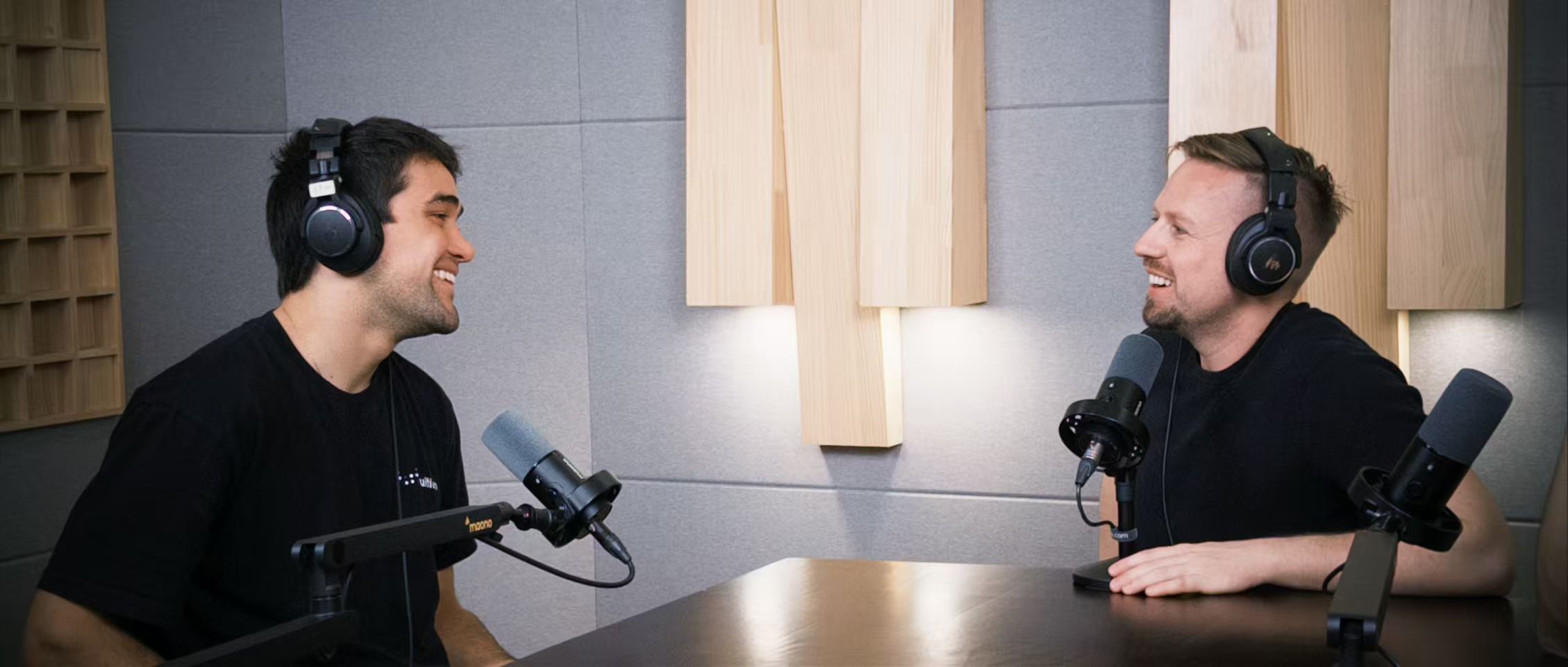
We met Francesco on a Spring Airlines flight from Shanghai to Shenzhen. The flight attendant told him to close his laptop. He did - then kept coding. Without looking at the screen. He memorizes where his tabs are.
Francesco is 23, Swiss-Chilean, grew up between cow farms and robotics competitions. Had 30% school attendance as a teenager. Slept in immigrant housing. And ended up at UC Berkeley building robots.
Why Every Hardware Founder Needs to Come to Shenzhen
In the last two months, Francesco and his team visited over 500 robotics companies across China - from Beijing to Shenzhen. What started as exploration turned into a business: they opened an office, started serving customers, and are now building a platform to deploy robots in the real world.
The speed difference is staggering. Francesco ordered 16 Damiao motors in Shenzhen and had them delivered in two hours. In the US? Out of stock. They even hired a Meituan food delivery driver to help assemble their robots. Cost: a couple hundred RMB.
"In San Francisco, people say they're living in a bubble on AI. It feels really similar here - but it's a bubble of hardware and AI hardware."
The Robot Deployment Problem Nobody Talks About
Most people think building a robot is the hard part. Francesco learned the opposite: system integration is 4/5 of the cost. The hardware itself is just one fifth. Getting a robot to actually work in a hotel room, a factory line, or a small supermarket - that's where the real challenge (and cost) lies.
His company, Intuition Core, is building a horizontal platform that allows any robot to integrate into any application. Think of it as a marketplace: robotics companies bring their hardware, Intuition Core adds the software layer, and end customers - from hotels to small business owners - get access to automation through a monthly subscription.
"Hardware is only 1/5 of the cost."
The other 4/5 is getting the robot to actually work in the real world.
When Their Robot Destroyed a Restaurant
As college students at UC Berkeley, Francesco and his team built a tabletop robot for kitchen applications. They deployed it at a local restaurant. The robot malfunctioned and caused significant damage. It was a turning point - they realized that deploying robots in the real world is fundamentally different from lab demos.
Growing Up Between Switzerland and Chile
Francesco's story is unconventional. Born in Switzerland, raised between Swiss cow farms and Chilean cities. He started building robots at age 12, attended Stanford programs at 16, but had only 30% school attendance. His father once cut off the WiFi to force him outside - Francesco responded by building a circuit board to bypass the router.
After periods of instability - including living in immigrant housing - he made it to UC Berkeley for EECS, then Columbia Engineering for a Master's in Robotics and Control.
Why Most Robotics Demos Are Fake
Perhaps the most provocative insight: Francesco estimates that a significant portion of robotics demos circulating online are fabricated. Pre-programmed movements sold as autonomous AI. Investors are being misled by technical jargon and polished videos.
"Look for a really honest team that is iterating fast. A lot of demos are fake. If you're an investor, go visit the lab. Ask to see it run live. Most can't."
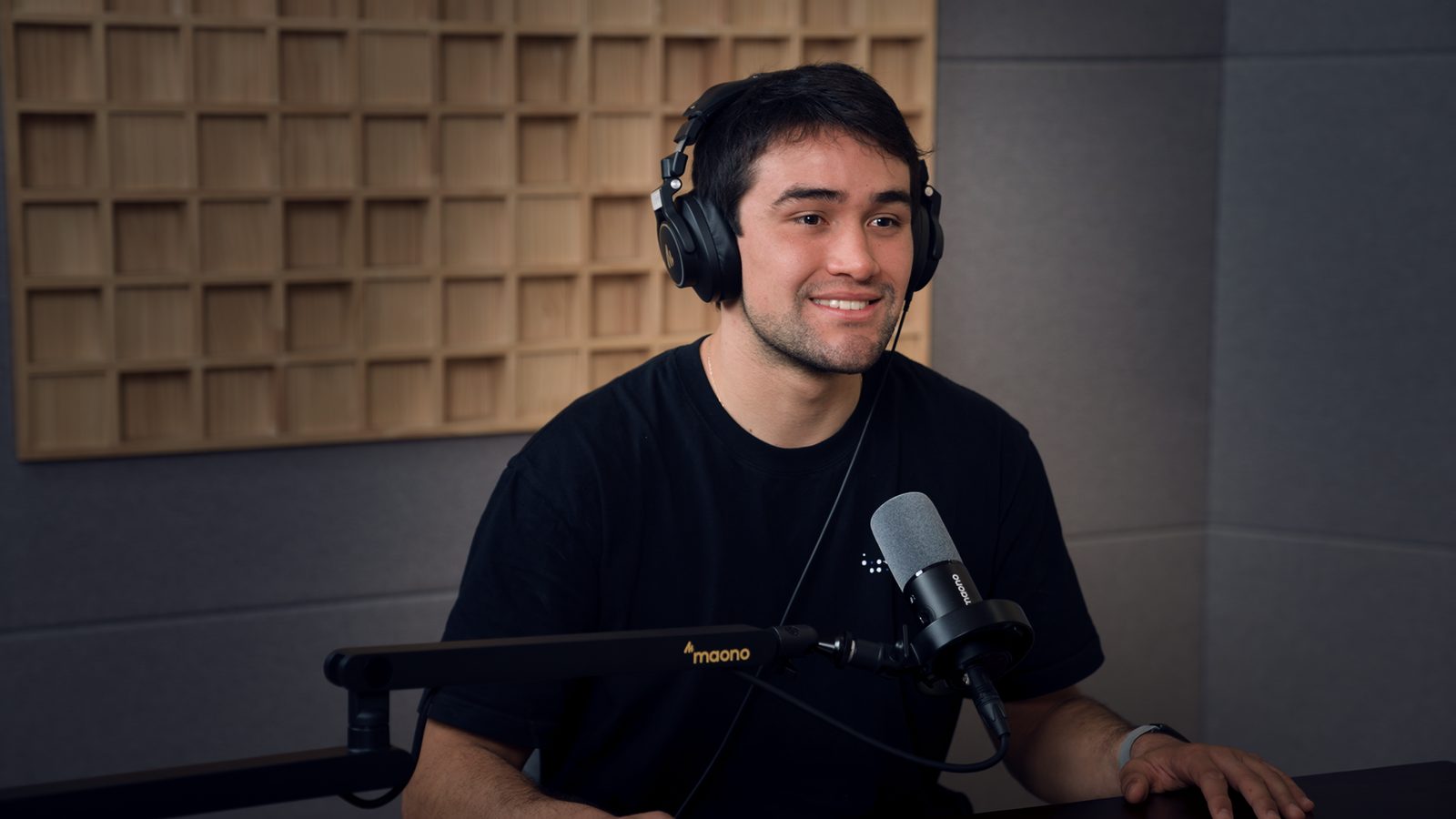
Francesco Crivelli
Swiss-Chilean robotics founder. UC Berkeley (EECS), Columbia Engineering (MS Robotics & Control), Berkeley AI Research (BAIR). Building a robot deployment platform bridging Silicon Valley software with Shenzhen hardware. First company deploying fully autonomous, high-dexterity robots live in Midea (world's largest appliance factory). Offices in Shanghai and San Francisco.
Free robot workforce for 3 months - email francesco@intuition.dev. Use cases: factory automation, truck unloading, supermarket restocking, hotel laundry, cleaning.
Francesco: Why does the world need robots now more than ever? The most common thing that you will hear is there is a labor shortage. I don't know how much I agree on that. I mean, I agree that there's a labor shortage, but I don't think that is the main reason why we need robots right now. If you go to places like Japan, there is a huge labor shortage. Like Japan is a true thing. And I'll give you the example. If you put a robot in a coffee shop in Japan, people's gonna clap at you because you're doing a good job. Because they actually are struggling to find people on coffee shops to work. If you do the same in the Bay Area, you're going to get a Berkeley student that is going to be protesting to take robots out because you're taking people's job.
So this is sort of like the different mindset on the take of labor shortage on factories. I think there's sort of like a different take. I think the labor that we're actually doing in factories is really tedious. I think we can try to think about higher dignity jobs to provide to people by really deploying robotics in scenarios like factories.
Thomas: Why are you in China and not in San Francisco?
Francesco: So the beginning of that answer has to do a lot with –we are kids, we love robotics. We wanted to come explore why is China launching a new humanoid, a new robot every other two weeks, every other week.
And mostly we started building in the U.S. We saw this was happening here and we wanted to come explore. We didn't know, but we got to meet over 500 robotics companies across different districts, different cities in China, from Beijing all the way to Shenzhen. And at some point we started showing our demo. We started to get great traction on our products. And it got to the point where we had to open an office here. We had to start serving the Chinese market. And that's the point that we're in right now.
Thomas: How much do you actually see in the U.S. coming from China, like companies in China? Do you actually have a clear picture of what is going on in the Chinese ecosystem of robotics?
Francesco: So it's a very different play from what we've seen in the US. I think we have to leverage both the sides because us, we have a great advanced –sorry, software and AI for most of the topics in robotics and of course the LLMs wave.
But in China you can, with very few capital, you can make a lot on the hardware world. And this is something that I think a lot of US companies are not yet realizing –that they should come here, they should experience at least being here, capturing some of the learnings that you can achieve by being in China and maybe then just bringing that over to the States.
Thomas: But now you live in China, right?
Francesco: We've been here for roughly two months. We're looking to make things more official on that regard. But I think it's always US and China for us.
Michael: Okay, so how is life in China?
Francesco: That's a great question. I think we were in Shanghai. That's actually the main hub where we started. Shanghai is really international. That's sort of what you feel. But in the field that we're in, it is very different. It's really a nerdy, geeky area where everything is about tech. In San Francisco people say that they're like, we're living in a bubble on AI. It feels really similar here when you're in this bubble of hardware and AI hardware. I think life is great. I thought always about the US –we have DoorDash, everything is on-demand. But here is like five times faster.
And you can get everything, literally. For the hardware side, this is the best. Since I was a kid, I've been passionate about robotics and building things. Overall here is like I wish I'd been a kid in Shenzhen buying all of these crazy things. Like you can make a flying car if you really want to, and of course you have a little bit of capital for that.
Thomas: You are still a kid, right? Yeah, basically you're very young. How old are you now?
Francesco: I just turned 23.
Thomas: 23. Oh wow. And this is your third company or third project or fourth startup?
Francesco: I mean if you call it project, there's like we've done a couple projects like bootstrapping in college and software. Did another accelerator before. It's called Entrepreneurs First. With one of my friends, we're building a biotech company.
Thomas: When was that?
Francesco: That was at the end of my second year of college.
Thomas: So let's start with how we met. This is a crazy story. So we were on the plane from Shanghai to Shenzhen and we were upgraded on Spring Airlines, which is a low cost airline.
Michael: The first third row. I was also upgraded. Yeah, yeah, we were upgraded. So. And then there was this one guy sitting next to us and the stewardess was telling him, sir, can you please turn off your computer?
Francesco: Oh yeah. I really hate that moment when it happens.
I'm so like locked in mood. I love airplanes for coding, by the way. It's like one of my favorite spots.
Michael: So Francesco basically is addicted to coding. So the stewardess told him, sir, can you please turn off your computer? And he did. So he turned it down, like the screen, and then –but still continued coding.
Thomas: Yeah. I was wondering, how the heck are you just continuing to write your code? What are you doing?
Francesco: Since I was a kid –I was born in Switzerland. I live between Switzerland and Chile. I got to travel a lot in the plane, switching from one side to the other. And I think the airplane was always this place of freedom where my brain goes completely free. I go fully creative mode, and I like to lock in. I even ended up getting AR glasses just to get my screen. And I can be coding in the --
Thomas: Oh, yeah, that would make a lot of sense for you.
Francesco: So the airplane is this creative moment where I have nothing, really. No distractions at all. I guess I ended up meeting you guys, but I was also just still in that zone where my ideas get clear. I can get a clear direction for what's next. And especially when I was flying to Shenzhen on that plane with you, there was a very tight schedule that we were following on different companies that we were visiting and so on and so forth. It's mostly clear in my mind. And just some of the best ideas happen on the airplane.
Thomas: And then you don't even have to watch the screen to be that creative. Because you said you just literally remember where your tabs are and the windows are located so that you can navigate without looking at it.
Francesco: Yeah, I tend to remember exactly –because I have specific tabs, so I can do Command+1 and then I switch to what I'm doing. I remember the docs that I had on that place. So that helps me. Because when they tell you to close your laptop, you can always be --
Thomas: So you don't need the AR glasses at the end.
Francesco: No. At the end, though, actually, they're really uncomfortable to wear.
Thomas: Yeah. But maybe this would change in a couple of years, right? They're getting lighter and lighter. So in German, we have a saying that genius and crazy –it's a very, very slight, a very small edge between genius and crazy. And I think you are just on this edge, right. Because last week we wanted to invite you to a networking dinner, and it was in Shanghai this week. And then you said, oh, I'm in Shenzhen. Where are you guys? So you will know the truth behind it.
Francesco: So, man, like, I honestly thought it was happening here. Like, I didn't check the address. I was like, we're pretty locked in with what we were building. So I was like, okay, dinner. There was like Friday –we spoke about meeting Friday morning in Shenzhen. I was like, who in the world is going to invite me to a night networking dinner when the group name is literally called Shanghai Society?
Thomas: But it was like the people from Shanghai meeting in here, in Shenzhen. Yeah, I mean, nobody said it. Nobody. It was just in your mind.
Francesco: Yeah, I just thought about it and actually it was like –it's almost like the world wanted me to stay in Shanghai that night because, you know, I originally had a meeting at like noon and then I had to run to catch the plane at 3pm to then be able to make it to Shenzhen on time for the dinner. I ended up changing that plane to like 3:30. I got to the airport and I asked one of my friends to change the flight, but he didn't mention that the plane got changed to Hongqiao Airport instead of Pudong.
Thomas: Okay.
Francesco: So I was in Pudong airport and I had to commute to the other side. And I was like, screw it, lost that plane. Had to book another plane. Literally just all to come to that event with you guys. And it was so fun though, so quite an experience.
Thomas: Take us with you. So what does a typical day in your life look like nowadays?
Francesco: So it varies a lot. Right now in Shenzhen, I came to speak at a specific event, but also that opened a lot of doors to meet new companies in robotics that want to join our platform for robot deployment. That is on one side. On the other part, we are hiring a lot of engineers in this moment. So I've been going through different universities, visiting the research labs, and I'm actually going to Hong Kong tomorrow to go to a couple of their labs in HKU and HKUST and move forward from that, setting the operation in China.
This is the third thing is Like a legal process that you have to go through, Like setting up a company in Hong Kong That splits between us and China, sort of this bridge. There's a big legal nightmare That you have to deal with That. And that is the third thing That we're going. And then the core is like, We're building the technology for deploying robots in real World applications. So that's the fourth part That I'm spending my time in. Every day I have to go Through all of this and it becomes a cycle Where I'm iterating over each of them over time. So let's talk about your product. What is the problem you're solving with your platform? System integration and robotics is 4/5 of the cost of our deployment.
And the robot is only one fifth of the hardware. The hardware itself. Yeah, the hardware itself is just around one fifth. This is data that I got from Like larger companies like KUKA And ABB. And this is really costly. Like think about, You're trying to like do a pick And place of an item. If the item change location, Then you have to basically rewrite the code, customize it. And this is for industrial robots. Now it applies to what we Call mobile manipulation platforms. Mobile manipulation are usually Like a wheelbase with a torso And two arms on top of it. And anyways, this is really costly.
So what we build is a very horizontal platform That allows to integrate any robot into any application through our software. And thinking about like a marketplace where robotics companies come in, We add our software and we make them work And integrate smoothly with the end customer, Either a hotel, a factory, Or even. This is the cool part, A small business owner, before contracts needed to be very large to Make sense for the first time. We really want to enable everyone To get access to robotics from day one. Offering Like a free trial for Like 10 days. They can get a robot deployed on their small Supermarket store.
Right. On their small supermarket store. So the main problem right now is That there are middle companies in between, Like the system integrators that you, That you said. Right. How long Or how does the process look Like? How long does it usually take now to implement the real Robot into operations? It takes more than five, Four months for sure. Most of them six months contract. And the problem with system integration is they're a service company. So when you want to grow, You need to scale your headcount of engineers, Right? You get more contracts, You get more engineers. Usually it's a mech guy, Electrical and computer science.
You just keep copying them. Here we have just the same, We're making robotics as a service, Basically. Okay, so how does it look in real life? So we are starting on the robot side. The core part is we have a couple customers right now That come to us. They send us a robot, We test the robot, we actually stress test the robot to understand What it's capable to do running our software. We Ran a semi Autonomy stack. And on the other side we have a large distribution pipeline. And here's welcoming to any hotels, Small business owners factories that need automation. And actually these guys are desperate for automation And we work with them pretty smoothly Though they can just have One click.
We integrate the robot in it, We call it a sell. The end user ended up paying a Monthly subscription for the robot just Like they did for a worker before. So what small business would hire you or your services? Small supermarkets for example, like small local stores is one of them Like refurbishing items. But frankly we're starting by larger factories. We're actually Starting by one of the largest factories in China HOUSE APPLIANCE MANUFACTURER. Then you start task by task Or how does it actually look Like when you do the tests? It varies from scenario to scenario. Let me give you the example of hotel, right? Think of a hotel like Hotel Regal in Hong Kong.
They have 500 rooms and many people checks in And checks out within the day. Whenever someone checks out, we want to send their robot to the Room to clean it up. When this happens, We need to be connected to the Regal's hotels API to be Able to schedule tasks on our robot. When the robot is in the room, We have to manipulate it to clean it up properly. So these are the two segments That we're working on and for this is Where this is the marketplace, The two segments that we deploy in the real world. We were Talking about this before and this was very interesting learning for me That you said it's very easy for a robot to go And put this microphone from the table to the ground.
It's very easy. But if you talk about cleaning tasks, These tasks are quite complicated Because somebody puts a toothbrush on the right side of the thing, Somebody on the left side, Then there are some stains in the shower Or whatever. So this needs a lot, a lot of training, right? Very simple tasks are definitely much more straightforward than Long Horizon. Long Horizon is meaning your robot has to work on the same room For roughly 15 to 25 minutes. This is pretty hard. And running all of this with the same End to end model, it is even harder. So that's why robotics has been really segmented until the recent few Years or trying new technologies.
But yeah, I will say that definitely like shorter tasks, Shorter horizon span of tasks is a lot easier than the longer Ones. Is it because the like why, What is the main problem? Basically, Is it because it's designed only right now to create to perform Short tasks because of, I don't know, It doesn't run so long. The robot Or what is the main problem with it? There are many challenges. We're still like, the models are yet not good enough for accomplishing All of those tasks. That's where we are building semi autonomy, Yet we're not building full autonomy. And the second one, the hardware is yet not even designed to Work for 24 hours.
We are not talking about industrial big robots. We're talking about those cheap robot arms That each arm you can actually make it with $2,000 Or buy it for $2,000. And those guys are going to break So fast when you try to run it with an AI policy. Right? Because things are going to fail. You're going to hit something, The wire is going to bend inside of the mot And then you gotta start rethinking how you make things. Yeah. You Told us a story before Where you did some projects back in the US you had some Customers where you destroyed the restaurants. So it was not quite a customer. It was actually.
We were telling That we were college students. We were doing our final year project. And so they were a lot more friendly to just like, Hey, like, okay, we'll help you. They also spoke Spanish with was Quite of an unfair advantage. So what were you building back Then? What did you build? You built also a robot. We were Making a robot that can fit on a kitchen, Is a tabletop robot. And the goal was like, Where is it going to get the most value? So to really answer that question, We try to go every different week to a different location And really deploy the robot. Now the challenge came When we actually brought it.
We spent roughly one week, Like building on the code base And testing it on the robot in our house. But we brought it to the side And there were so many issues. Like already the WI fi was breaking. We had no way to connect it without going through Like four plugs because everything was too far. And when we actually connected And we tried to run a policy to do something very simple Like picking a chicken nugget And like putting it from one ball to like, To the actual box that the user is going to buy, Man, things went side like, We started like the robot at some point went nuts, Crazy. Just like hitting the objects in the table.
We hit the Pan with the ola frying oil And it was pretty complicated. But lucky enough, We were able to go back to the same place And we did a better job on something simpler. Not that close to the cooking, But I mean, that was one week that we tried. It was so much fun to actually it was the biggest learning Is try to put it on your customer's hands as fast as You can. And that gave us a huge iteration. We try to do the same for hotels, Folding towels, so on and So forth. That at some point we realized That what we're building is not really a robot for this vertical And this vertical or this different one, But more of like a platform That allows you to build and to deploy, Actually integrate across all of them And understanding what it actually takes for them to get the most Value out of their robot.
For us, Getting the most value out of the robot is a number one. Making it work for long term is a number two. And then what we call Like the after sales support is the third part of what we're Providing to most of our customers. So you're not building any hardware anymore, Right? We started by building hardware because we're geekies, We love it, we love robots And we're sometimes throw some R and D into it. But our core is the software, We understand the hardware and we wanted to learn even deeper how Each component fits in together all the way to how the motors Are built. But we're not exactly deploying our robots.
We are capturing Lots of learnings by working with these other robotics companies. They sent us the robots for us to run it through our Software and for us to deploy it. But we're using other people's. We're not really even buying the robots. So your background is also in software? Yes, in robotics. Software. Robotics. Tell us a little bit about your educational background. So, So you're from Switzerland? Yeah, We're neighbors. And you're from the Italian part of Switzerland. But you have also crazy multicultural rules, Right? Yeah, that's true. So I told you I'm Swiss. Chilean. In Switzerland.
I live in a small town, It's called Stapio. We probably have more cows than we have people. Same with my hometown. So I, I lived a lot in Chile Because my mom runs a non profit in Latin America. They're helping People with disabilities like improving the life quality And. And I spent a lot of time in Chile. Most of my childhood was in Chile. And then a little bit older, Like 15 was in Switzerland. I was not known. I was like, Not really the kid who like liked school overall. So there was a university near my town, Near my high school and kindergarten And middle school in Chile. Everything wasn't the same place by the Way.
That became my, my actual school. I remember I was the usual kid who asked permission to go To the bathroom and we'll Just dip the whole school. My kindergarten Was in a German school, So they were really strict on it. But I remember always went to these universities called Santa Maria And Valparaiso. This is in Chile. And man, The students were so welcoming. There was these too many students, Ariel and Ricardo, that became sort of Like mentors during my childhood to make some crazy projects as well. And they also helped me to start auditing some of the classes That they are. They were teaching that.
So that's When my big drive in robotics And technology overall came in. At what age was that? Oh, I think the whole thing started when I was like 8, 7 years old. When I was 8, That was. I don't know, But doing something else. Things started to get a little bit more Serious when I got to B12. That's when I actually started to travel for competitions in robotics. It Was so fun. I think That's like what opened my attendance in high school And middle school was horrible. I had Like 30% attendance every year. They wanted me to fail until they Actually saw me that I was Like traveling to like a competition in robotics.
But I was like already too unplugged from my, from my school. And, and anyways, one of the competitions was in the US I Had like a. I saw, I saw the talent that was happening there. There was Like all of the. And actually there was a picture. It was Like a Japanese team. I used to make this car that races following a line. And your goal is make a PID algorithm That can race the line really fast. And that became a 12 year old project. Traveled to the US for That. I met many teams across the world. There's very experienced engineers That would teach me everything That we're building. And then I was just fascinated.
I was like, I have to be in this place. And I happened to be in the Bay Area. That's kind of The mindset that accumulated to I want to go to the Bay Area. Then there's startups going on. Got a time That I started building drones and that also was like, I want to fly, I want to go to the bay. And that kept going and going. So did you actually graduate from a high school? That's a good Question from my mother. But yeah, I didn't really do the last years in high school. I ended up taking. I mean I went back to my home School in Chile and I asked them, Hey guys, you know, they're asking me for like a final, Like final, final like exam That like certifies that I did something in school.
And then things happened That I was. I took the final, Final exam. I then I like use that to. To get through. So that was successful. Yeah, That worked well. That worked well. That's actually crazy That our school system or educational system, There's no room or no space for geeks. Right. For people who are actually quite geniuses. But in the end you still have to take this final exam. So everyone in society says, yeah, you're a good member of society. I agree with you. I think I had a lot of fights With professors. Not like fighting, But a lot of the times I was just with the computer Science professor a couple years.
That was my worst, Really my worst grade overall. I remember I went to this presentation And we were talking about robots. This is on second year high School or even first year high school. We were talking about robots. And then instead of really me preparing slides, I brought one of the robots That I built. It has Like a PID robot that can. The one That can follow the track. Frankly, I didn't prepare. I didn't even know. Someone told me the Night before there was this presentation going. But I went to the classroom and I was like, I'm bringing a robot. This is my presentation. I don't have Slidex.
He was like, no. 2 on the book. It's Like lowest grade you can get and no questions asked. That happened. I was like, okay, there's just no questions asked Then a lot of the times I will help my classmates doing The homework with different libraries That you can install to not have to write 24 lines of Code, which is writing on two lines of code still annotations in The book staying after exams started to get specific sentences dedicated to Me. You cannot do this type of library. Too for a test. No, it was horrible and never really paid too much attention to It. But there are definitely professors That make your life amazing And all others that for some reason they just try to drag You down in.
In high school. And I think if you as a kid really think about it Too much, you might just get lost from your. Your main goals. Thinking too much about the system. Like to do everything. Just thinking too much. Yeah. Thinking too much about Like following the rules. I. I doesn't give you the whole. Creativity That you need, right. As a person That you are. Totally. I was a pretty rebel. I remember I Like to make like fireworks, Right? I like fireworks. And I remember I went to my. My Mom had a friend who was a university professor in Chile And this is funny. And I asked him to like, Can I take some potassium nitrate Which is One of the components to make, Like, explosives, fireworks and so forth.
And out of the blue, I was just like, making rocket engine for making rockets. I love Space, and rockets was, like, Always like, what I was trying to build And bring one of that to my high school. Like, Hey, guys, this is a rocket. Like, I literally have a. I have a video on my phone. My mom sent it to me yesterday. I can't even pull it Up. I get a huge annotation. Almost like, Expelled from my school for bringing, Like, rocket engines onto the science. I brought it to my science Class and they didn't even let me do anything. They didn't turn It on, but it was like, I don't know. I think a lot of the times they shut Down creativity with no reason, Or, like, not even try to help you turn That into something greater.
That If you don't keep pushing most of the time That would just fade away. And then you still went to Stanford. You still went to ucl, Right? You almost say ucl. That's the funny part. It's UC Berkeley. UC Berkeley. Why do I Say ucl? Whatever. So then you like UC Berkeley and Stanford. How did that happen? Yeah, Stanford is like, a complicated part because I always had, Like, a tough relationship with my father. And I applied to university early on, Like two years before graduating from. From. From school, like, when I was 16. And I ended up getting to uni mostly Because of the projects. Probably what I did Because my grades were okay on early on.
But I didn't ever tell my. My parents at That time was Covid. I was in Switzerland. Many, Many stuff happened between my father And I. We were. He's like Swiss German. And I'm like, Really, really rebel kid at the time. We don't like rebels. Yeah, Yeah. You guys are so straight. I was like, Okay, okay. And nothing. I ended up starting, Like, taking classes I didn't even tell my parents about until the Moment of, like, oh, father. This is what you're approved. No, No, no. Like, I already started taking classes. Everything was remote. My Father was like, you gotta live like a normal kid's life. Like, Go out.
It's summer or it's hard. Just go out, Do stuff. Don't be coding all day. There was a big time Difference. So I was like, Basically standing throughout my whole night and sleeping during the day. But he hated that. So I'll be woken up in the middle Of the day, just like, Say, hi, like, go outside, Like, get out the WI fi sometimes, Like, they will, like, turn off me. Turn the Wi fi off. Just like, I will stop working or stop studying. Your parents. That's my father in Switzerland. But anyways, long story short, Things happen. I dropped out from the uni. The big problem was when I told my partner, My father, that I actually got to the university, He was upset.
It created So much conflict that I was in Switzerland at That time. I was full Covid. My mother was in Chile. So there was a big misconnection between the two countries. And overall, What actually ended up happening was that for the whole year, Like, the whole couple months that I was even, Like, taking classes at Stanford and everything, I was literally hopping around between different places. In Switzerland, there is something That they call almost like emergency housing for underage. For a bit Of time, I was living in a place like that, And I don't know, the culture is really cold over there.
It's Really different from Chile. Yeah, I like the system in Switzerland. I Like the culture in Chile. The people Like the warmth. But nothing ended up dropping that. I was like, Okay, I have to, like, Rethink what's gonna happen, because my father is not really gonna, Like, support me at all. And, Like, this journey. And, like, By the way, like, that the university has a fee. I never Even thought in that I was just like a kid, Immature, like, trying to, like, figure out what to do. Right. And mostly not even immature. Just like, I love technology. I just want to be there. That's all I thought about.
Then nothing. Had to, like, leave what I was doing there. I went back To just do my projects. At that time, I was not living in the house anymore with my father, And things happened. I ended up applying to university again, Went to Berkeley. This time I had completed one more time, A little bit more education. This was the time Where I actually got to go to university. And a lot of time passed by. Things with my father calmed Down, cooled down a little bit, And then went smoother for the rest of the journey. But that's like, actually what happened with the whole university. And there's a lot more under the hood.
So you enrolled to university, And then they send you some bills for tuition, And then you said, oh, Okay, Daddy, you have to pay for it, Right? Yeah. And I got removed from the house for That. There were nights that I would even sleep with, Like, cold culture. My grandparents lived the Second World War. So a lot of the behaviors that you'll get from that generation, He lived and he passed it to me When I was that way. So a lot of the nights doors will be closed And As I told you WI Fi, Sometimes he was just shut it down. So I'll go study it somewhere else. And it'll be late. I'll get back. And the door is locked, So I have to go sleep somewhere with, Like, cows or literally on a little farm.
A lot of the Times that happen, and it was Like in the winter. And So that I will go there Because it was warmer. Many things like this started to happen. Like, It was like, no, I'm not doing anything. I'm not supporting you on this. Did you do that, Like, for, like, what time period? That was when I was 16 through 1802 years. More like a one year. And so. Oh, okay. So what do you think? Where does this drive come from that you say, Oh, I love coding. I love robotics. Even If my father turns off the WI fi, I have to. I don't want to say anything about him. I Love my father now. He actually supports me.
And, like, he. He probably calls me, like, All the time just to, Like, check. But that was just a rough time. But sorry. Yeah. Like, right. Right now, Like, what do you think? Where does this drive come from That you have such a big passion for robotics And coding engineering? I think in technology is the. The best way That. That I can do it to really touch And impact people's lives. I realized when. When I was building this, Like, kid projects at the beginning is because, Like, you just like it, Right? Like, when you're a kid, You just. I do it for the fun of doing it. Like, I'm not thinking too much.
It's really an irrational way of, Like, like, look, I'm making a car. It's running. It's following the Line. How do I make it faster? That's all I'm thinking. I won A competition. I was not even thinking. I'm like, I'm traveling. I'm just thinking, Like, it's going faster, right? It's So fun. I'm soldering. It's keeping me busy. It's doing, Like, cooler things than what I was doing in. In middle school. Right. But that at some point, I think when I was, Like 14, started to evolve to man, I made something, and it's really making people happy. There was this Project that I worked on for a bit That was a drone delivery.
It was meant my house in Chile, And my grandma is really close by, And it was meant to let me go pick up a package From my grandma's house and bring it to my place. And just the fact of working on That made my family a lot Closer. And that was like a great feeling. And then the same thing I was Like doing with other people and it's just like, It was like people just getting So happy around it. And I started to notice That was the first time. Oh my God. This is Like actually able to touch people's lives. This is actually impacting them in some way. And for me, that sort of Like feeling of like I love technology started to add how do I building an experience around people And really making it for people clashing together.
And that's where sort of this like startup bug started to collapse. And then one of the drones that I built, I ended up selling it to someone. And then sort of this started to clash. And in the, in the pyramid of things. That's amazing. What do you think? Why now? Like, Why does the world needs robot now more than ever? The most Common thing that you will hear is there is a labor shortage. I don't know how much I agree on that. I agree that there's a labor shortage, But I don't think that is the main reason why we need Robots right now. If you go to places like Japan, There is a huge labor shortage.
Like Japan is like a true thing. And I'll give you the example. If you put a robot in a coffee shop in Japan, People's gonna clap at you Because you're doing a good job. Because they actually are struggling to people on coffee shops to work. If you do the same in the Bay Area, You're going to get a Berkeley student That is going to be protesting to take robots out Because you're taking people's job. So this is sort of Like the different mindset on the take of labor shortage on factories. I think there's sort of like a different take. I think labor that we're actually doing in factories is really tedious.
I think we can try to think about higher dignity jobs to Provide to people by really deploying robotics in scenarios Like factories. So we play a huge advantage there. But now I think why robotics now is robotics, I believe will drive a massive cultural change. Like some of the questions of Where are you going to store your laundry detergent? Are you going To store it on the bottom drawer Or on the top drawer? You can maybe not put it too High because the drawer will have to reach it. And on the early days we were going to really have to Think about some of those questions. We need to start doing the Change now so we can even adapt people's minds to how do You get used to having a robot on the early days, Because robotics won't work as well.
And the early users will play a critical role on how the Whole industry gets shaped because their feedback is going to be critical For some of these household robotics That we'll see. I think now we have a technology That can actually provide value to people. The AI is not always There yet for some really complex tasks, But we're really able to have robotics to craft experiences on humans. And I think when we're able to craft an experience for people, The technology is sure, it might not be fully mature, But it has a point of maturity That should get used for such purpose. And now by being ancient Gen, You can really have the clarity those robots are really able to Provide some value to people.
Now how do we exploit them to Provide value? Because right now they're not really doing such. So you saw 500 robotic companies here in China in Like two months. Companies in the robotics space. Yeah, not all of them are humanoids, But companies in the robotics AI ecosystem. But how do you see this whole ecosystem If there are like in such a short time, So many robotic companies, Is there actually space for So much or what are they doing? The robotics market is really Large that there will be many winners in this game. But I think that is pretty a bullshit answer. I heard That answer a lot before.
Instion Gen is So fast to make your own robot, dude. We want like, we're building software. We are the company That literally makes those robots work with the end user. So a lot of those companies in Shenzhen come to us And ask us, like, can we deploy your robot through your platform? Right. This is one thing. Now we also Like to do R and D Because I'm not geeky about robots. And we like to try building our own humanoids sometimes. So we have a small subset That just basically has fun doing this. We came to Shenzhen because we wanted to see how fast can We get everything to build our own robot.
And I'll tell you the speed of things. I get on my Phone, I ask another robotics company, Hey, give me the contact of this motor company Because I want to buy them. I get the contact of the Founder. The company is called Damiao. They sell the motors for every other Company that you can think, Probably even figure in the US is using these motors. I text this founder Damiao. I go to his office. I asked him for a specific 16 set of motors. We're building The upper body of a humanoid. And he was like, I don't have them in stock, But let me go back and Check, He comes back and this customer order. But you're here in person.
I'm giving to you person. In two Hours. I had something that in the US you cannot even order Because they're out of stock. So the speed of things at Which you can do things here is insane. Another one was the. The Meituan guys. I remember we needed someone Who can assemble a couple things for us and, And we need it like right now. We went to the streets, We, we got like a couple meituan drivers. Meituan is Like this food delivery app in China. And, and first of all, As a foreigner, they were super Like happy and laughing about everything That we were doing because we were telling, we're doing some robotics.
You, you can you in Shanghai in just 15 minutes by going To the street and coming back. We had actually someone who was Assembling the robots with us And that helped us leverage Like eight hours of time. And that can only happen in Shenzhen at the cost That you can do things at the speed That you can do things in here can only happen in Shenzhen, Shanghai as well. So you hired the food delivery guy to help You assemble the robots. And we gave him Like a couple hundred yuan And then he helped us for a day. That's crazy. We also Needed someone to tell. Operate the robot just to Like test it. And we were like, We need someone to tell operate for eight hours, Right? We give you a couple hundred yuan And then.
But literally just like meituan driver, He came by and then that's it. That was so nice. I see on my Chinese social media feed It's all about robots. You have the robot dogs, You have the robot police, You have these fighting robots, robots climbing the stairs. So it's very normal here. That's actually what you just said, That you need this deployment in the everyday life to gather data, To gather feedback from the customers Or from the people outside. So it's actually also, It's already part of normal life here in China. Do you think This will be a big advantage? Although now you think, oh, It's fun, they're not working properly, But you gather a lot of feedback and data, Right? So do you think Asia And China has an advantage compared to the West? I think If we don't leverage one and the other one, The industry is going to progress at like 0.5 the speed.
We really need to leverage both of the sides to make the World that we dream about. China, I think, has an interesting thing that they're really tackling meaningful tasks, Like they're trying to show demos on robots helping elderly care facilities, Hospitals, and even some meaningful testing factories. Well, I think the US we're still sort of thinking Like this household robot that will wash your laundry for you, Which you probably pay for it. But are we helping humanity in the best way by doing this? Maybe if we are able to grow really, Really fast on the household robot That then the other ones will leverage with it.
Probably. But I think it's really interesting to see China And those companies that are focusing on high value, High impact people that really needs it right now screaming for solutions Like this, while we see something a little bit different in the U.S. but on that same note, In the U.S. we have a lot more progress And leading companies that are working on the intelligence behind robots. While The reality is in China we've seen a lot of companies That are not being fully honest on their technology. You build startups In the US and now you're building a startup here in China. What is the biggest difference? To be clear, We're building this startup right now between the US And China.
Now we're setting things in China And working with the people is the biggest difference. And how to do business with the people is also the second Biggest difference. So especially we are a very Bay Area company, Meaning Bay area. In China you are also called this, The Shenzhen, the Bay Area, But we're talking about the San Francisco ecosystem. Everything is very horizontal. There's not much of this, Like rules, labels. It's a very horizontal company Where everyone has a strong ownership And is able to self manage things in its own company, In its own team. In China, On the other hand, is very vertical.
Think about a lot of The companies are structured with Like sometimes even two CEOs. One That is leading like the sales And the other one that is leading the operations. Yeah, Operations of the company. And then they have heads. I'm talking about an average startup in Robotics that has two years, right? They have a massive head count, Different heads and leads for different teams. And then they have the engineers who are actually coding. But before that they have a huge bureaucratical structure That goes all the way to the top. And the way the engineers look up to their superiors is for Me shocking.
And I think at the beginning we are trying to Really go fully against this saying like, No, this is not how we want to do things in China. But then we started to understand That we're actually not here to really change their culture And how they used to work for the last 10 years. Rather we want to take them to the highest Potential. So let's just give some of the structure That you already had and then adapted to this. Like how do you own this ownership? And slowly you can own your work. Because the world of self management And hire someone who can properly self manage And understand only by knowing what are you doing And why are you doing it.
The most important is why are You doing it? By understanding that you're able to really accomplish your goal in your Team. I think here that was the biggest challenge to really scout for Such people. Then how do you do business? Was the second part That I was telling you here. A lot of the things are More informal than and more irrelevant sometimes than they are in the U.S. in the U.S. we go to a meeting. That's the meeting. We know what's going on next here. If you just go by starting with the meeting, You're starting with your left feet, Like left foot. You want to just start by having a meal, Having some type of conversation And the first 20 minutes you're talking about something entirely.
A lot of the time it's not relevant. And we actually learned this by Like looking at a couple other companies And just the first few meetings we were just letting them flow. They were like, you're like guiding us through this meeting. We noticed that the customers That are most excited to work with us are those guys who Actually started working with us through a dinner meeting. Yeah, I remember my first time in 2017 When I came here for two weeks And it was a business trip. We were going from Beijing, Tianjin to Ningbo and Shanghai. So we spent two weeks together with our clients, But we were only talking about business maybe for 30 minutes.
The Rest of the time was on time, Having lunch, on time, having dinner. And then in between the times it was deciding Where to have dinner. That's been most of the experiences here, Which sometimes for us is really. We tend to be really to The point and I think this helps remind Like humanity is key core, especially in this culture and Asia. Something that you might not really think about Because you think like you're always working, Always doing that, always to the point. It's actually a lot the Other way around. In conversion to the States, Do you. Actually care about food Or is it just like you have to eat? I mean I Found that sometimes it's even nicer because like, Like you're working and eating at the same time.
A lot of The other times where you're just eating with the, With the team. But I, I do care about what food we eat sometimes Because like I remember this Time like they. A lot of the times they enjoy in China especially, They enjoy because we're foreigners. So it always ends up them taking us out to Like an interesting restaurant. And we're learning a lot about the cuisine, But a lot of the times we're trying things that we're like, Okay, this is interesting. We gotta think about this. Yeah. So this is also kind of testing. Yeah. How capable you Are of eating weird foods. Yeah, We just have to eat it.
That is the thing we always have to eat, Especially the spicy one. It's like that. Is that my. My weak point on spicy? We always have to accept it. You Have to work on that. Yeah, We're really trying hard. So what's your favorite Chinese food? Oh, okay. Yeah. In Cantonese I think it's cha Siu fan. Yeah, Yeah, yeah, yeah. So there's a fried rice with. No, you're wrong. It's actually just white rice with the sour pork on top. Okay. So they have the set, The barbecue. Pork and then it has some greens on the side. Yeah. 2X on top of it. I think it's so simple. And at some point I was doing. I was like a visiting researcher a couple years ago in Hong Kong, a university Chk.
And That was the one plate That I got every lunch for four weeks. Yeah. Very typical Cantonese Hong Kong food. Yeah. You were talking about how important it is For founders and entrepreneurs, engineers from Silicon Valley, From the Bay Area to come to Shenzhen. Why is it so important? If you're in consumer hardware, Shenzhen is your spot to be. If you're on B2B SaaS, The Bay Area is your spot to be. However, If you care about the community first And you never had the experience in San Francisco, I think San Francisco is your first place to go. The ambition And drive of the people in San Francisco is different And it even hits different to what you see in Shenzhen.
With That said, I think once you are experienced And you have done San Francisco And you're able to relate to such mindset And your ambitions have like 400x. You should come to Shenzhen Because you will feel that all of That things that were really slow and you felt they were hard. Shenzhen makes them seem easy. When you're building in hardware. It always comes to the point That once you get the software aspect done, You try to come here to incorporate your software with the hardware Part. Right. So this is basically the best place to be, As you said, because it's faster here, People are more willing to try out things.
And iterate if you compare Shanghai And Shenzhen. This is something That we actually found out recently is Shanghai really pushes for those Large companies and you see a lot of deal flow happening between Large companies or very large startups later on in their journey. While Shenzhen, it's a lot easier for a three month startup to Start having deals between other startups or between other companies. That is not the case as I guess in Shanghai. So your approach basically is we need the US drive, We need the US motivation and we need the Chinese hardware, The Chinese ecosystem and together you can literally change the world.
I Think that is one magic recipe That you can start taking in. The US is really big. I Think I was condensing it to some of the talent densities, Especially in San Francisco and likely New York. I know Austin has A new hub for big technology as well, But US is really broad as a term. So what were three learnings for you from building the startups between The US and China? What is something If. If people listen to us want to do the same, They have to know. I think That the first thing is don't get too lost on the legal Burden because whenever you hear the term China, You might feel scared, especially when you're coming from the U.S.
now, If you're building on a very, Very sensitive topic, that might be a different deal. But if you are not that sensitive, I think don't get too scared And don't waste all your time on this legal burden. Early on. No one really cares too much about it. Not even China cares Too much about it. Leverage the best from the two worlds is pretty obvious. But I will tell you an example on how to do this. You can say, you said it before, You do software in the US And you do hardware in China. But also a lot of companies in China are having their software In Shanghai or Beijing and their hardware in Shenzhen.
You gotta be aware on Where is your market and When you're working with those companies in China. I think being And having proximity is really important. So proximity to your development on hardware companies, I'm giving you something that is not exactly related to us, But I think it will be useful for all those guys. Building Consumer hardware is like having That proximity to the manufacturer and having the presence is key. We have never done online meetings in China. I've never hopped on a zoom meeting here. And that is your difference between closing a deal And getting trust from the guy in China Because it's critical or just letting it go? I think yesterday I Met with this company in robotics.
They're a humanoid company. They Started One year ago and now they have a large mass scale production Of robot docs. They started one year ago. They build humanoid robots, mobile platforms. And now we spoke yesterday, Saturday, 3pm and we're meeting tomorrow in Hong Kong And afternoon to just move forward. You can only do this thing In person and always have someone here. And the third one is about your team. I think when you're coming here you're really taking a leap of Faith and you gotta trust it. You gotta have someone you can Really trust. And that was probably the hardest part on how you Trust your team.
We get told, we got told at the beginning many things from Investors from different sectors that you can't trust. XYZ person you can't Trust on certain areas. The truth is there is a lot of Things that are not real in China. We experience a lot of Them. There is a lot of, We also experience a lot of untrustworthy things. But I think the same happens in the us the same happens In Europe and even in Switzerland. With that, You gotta be really thoughtful on who you choose to trust. Because the interesting thing is the Chinese, They don't care if it's a white cat or a black cat, They just care that it catches the mouse.
So if you come here and you provide enough value, You will be received with really open arms. And you also went back to South America, You went back to the US And people now know that you're building something between China And the U.S. so what is one question That you get asked the most? The first question, I think it's always that the opening is like, Why in the world are you going to China? And my friends in the US are like, Most of them are also building their companies right now And it's like, when are you coming back to the States? What Are you doing in China? And a lot of them get shocked by the fact That I'm here.
There's sort of this big bubble understanding of San Francesco is like the main place to be, Like the only place to be. I agree partially with that. I think San Francisco is the best Mindset to be with. But you can apply That in China and like you can, You can take it to the next level. Now the second question That I, that they push for is something like the, The Chinese environment and, and, and its comparisons to, to the U.S. Especially, you know, your best environment. And I remember this is like, The common phrase is like, Like who wins a shark Or a bear? And the answer usually is like, Depends them on, right? You can have your best software team outperforming In the US as well Or underperforming in the US as well.
And that really depends on how you create That environment around them. For us, We think we can get people extremely excited to work on a Place that is moving super fast. Shenzhen is a city, Is known as a city That is designed to work. It's just like San Francisco. You go to SF to grind, You're in Shenzhen to work. There's nothing else. There's no more distractions. I was talking to this couple other engineers In China. They're like, what are you doing after? It's just work. You just work. There is no concept of after hours, There's just concept of work. You have your social medias And your work on the same place.
It's all on WeChat. You have all your work, all your clients, they're all on WhatsApp. For a founder makes sense. But for a larger company with 200 employees Where the salesperson manages all of their contacts on WeChat And at 3am they ping them up And they will get the notification. You don't get that on a sales guy working 1x likely. Maybe I'm wrong, but I wouldn't think on that too much. That's why the US has a slack. So they split the work And the other platform on iMessages or WhatsApp. Right. So, So this drive and this intensity I think is great for having A team. I don't know how long term that applies for a US company, But I think it's pretty great to experience That.
So where do you see our world in five years When it comes to robotics? Oh, When your platform actually succeeds. So how does it actually look When you make robotics or robots come Or to be implemented much faster than it is right now? Like when your company succeeds, How does the world look Like in five years? Robotics is really early. There is no winner in robotics, a company in AI agents. You can think about an agentic company Or a smaller consumer gadget toy. Right. You can see what a Billion dollars company looks like in those scenarios. You already experienced them. You've seen many YC AI agent startups That have gotten to be unicorns And there is sort of a path to what That can look like that doesn't look Like that in robotics.
And even though we have billion dollar Or above valuations on robotic companies, the revenue is negligible. I think dreaming about the future is like it is gorgeous. But thinking what is a step That we need to take to maximize what we have to learn To really Shape this future is what we are living right now Rather than knowing what is a correct path to get there. I Don't think we know exactly what is the path. Like maybe we're going to hit a point Where technologies are not mature And we're not able to get all the value we want out Of them. But with this is what is the steps That we really need to take to, To get that learning the fastest to Then iterate from that learning to the next one.
Now on the Future, I really dream with a place Where just a deployment of a robot is seamless And you can have robotics do things for people. But I think it's gorgeous When we think about robotics doing things with people. Not only for People. There's a difference on the experience you can create with them And a lot of the work That it's actually surprising that this is easier to do. Early on Building the experience with robotics, I think you should be thinking about how, How do things with two people. So even if technology will work, Many companies, many robotic companies still may Or will fail because deployments are too custom.
Right. The sales cycle Takes too long. What else? Customers are not ready yet. Is it currently Like when I'm an investor And I want to pick the one robotics company, Right you mentioned they have currently maybe billions of values even though There is no real business like revenues are quite low. Right. They don't do any profits. Most of them are just doing Demos. What is something that I as an as an investor would have To look out for if I'm screening the entire market of robots Now? Like is it which company does the best robot Or what is it actually That I have to be realistic about? I think look for a Really honest team that is really iterating fast, That is not so convinced this is the only thing, But really iterating fast and able to maximize the learnings That they take with each step.
And especially an honest team. There is a lot of demos That are fake and we got to learn this thanks to we Started to hire people from many other companies And these are really well known companies in China And we heard things that actually make us not even trust those Guys. Demos that are fake That they sell as like one holy grail technology That is called VLA but in reality is running old school robotics Pre programmed paths such as a pick And place. So look for a team that is honest. And I think a lot of the investors in China are very Blinded and ignorant behind the technology And just look at the demos And they think this is the value That the robot will get.
But at the end, A lot of these companies are. Are still focusing on raising capital, Which I think is critical for pushing robotics forward. But think a little bit more about how do you really provide Value to people? Yeah, that's super interesting. In the end, It's just still the human intelligence And the human drive behind the technology That makes a difference. Yeah. I think that's a great ending to This talk, and we're looking forward. I think with the speed we Have here in Shenzhen, we can talk again in six months, And the world will be totally different. It was going to be A different game.
That's why you maximize learnings. It's like things are moving so fast, And you have to act fast. Thank you so much. Thank you so much. Thank you,.
Get instant access.
Enter your email to unlock the full Asiabits report.
Your report is ready.
157 companies, $6B+ in funding, 549 investors - all mapped out for you.
Download Free Report (PDF) ↓China Robotics Intelligence
Tell us what you are sourcing. We select relevant companies and show you what information is available in a research sample.


Get These Insights
Every Monday
Join 18,000+ professionals who stay ahead with Asiabits. Every Monday, straight from Shanghai.